Zoox Unveils Enhanced Robotaxi with Focus on Passenger Comfort and Usability
The Amazon-owned company Zoox has updated its electric robotaxi with significant comfort and usability upgrades, aiming to provide a more relaxing and practical rider experience.
Tech·
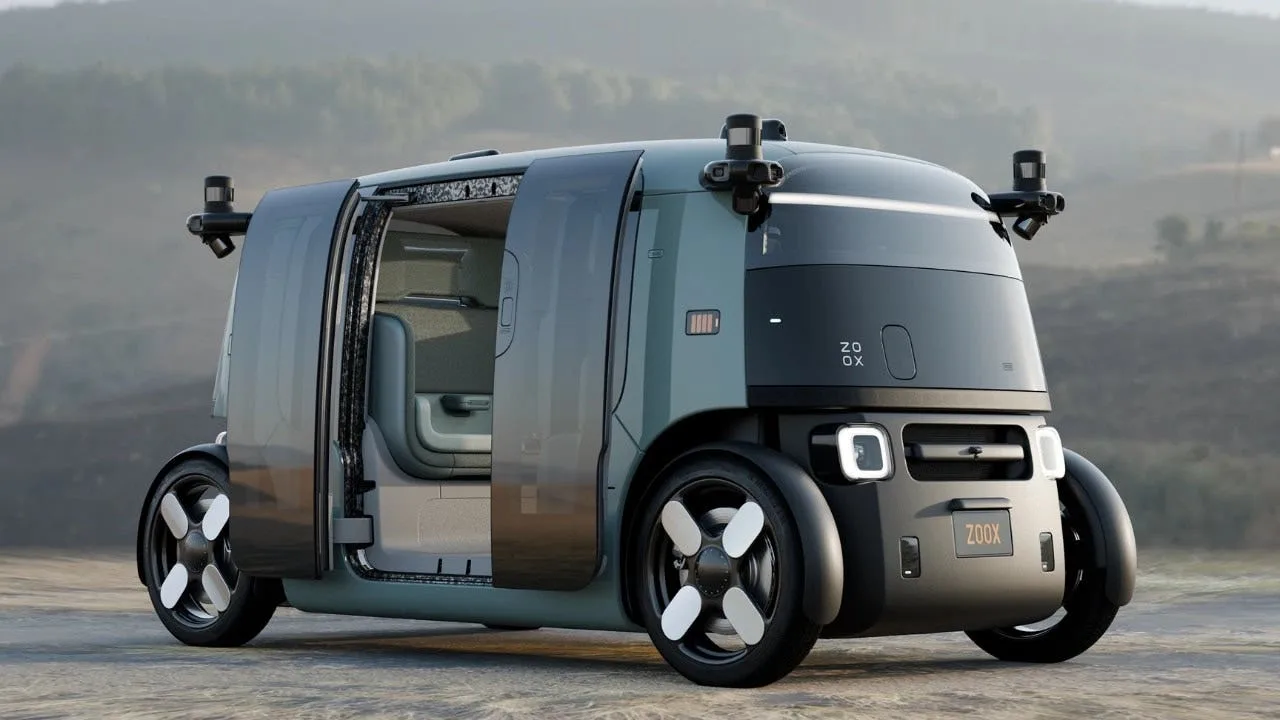
Zoox, the Amazon-owned autonomous vehicle company, has revealed an updated version of its distinctive robotaxi, which continues to sport a futuristic aesthetic. This custom-engineered electric vehicle has received a suite of enhancements focused on rider comfort and overall usability. While maintaining its unique design without a steering wheel or pedals and the ability to travel in either direction, Zoox's objective is to transform the interior experience from a mere technological showcase into a genuinely relaxing journey.
This represents a crucial strategic pivot. As robotaxis transition from initial pilot programs to serving a broader customer base, seemingly minor details gain significant importance. A rigid seat, a mobile phone sliding off a charging pad, or a cupholder unable to accommodate a large beverage can quickly detract from the appeal of a high-tech ride. Zoox states that these new updates are a direct result of extensive testing, early deployments, and feedback gathered from approximately half a million riders. Essentially, this robotaxi overhaul appears to be tailored for the passengers inside, rather than solely impressing engineers from the outside.
Enhanced Interior Experience and Practical Upgrades
The most substantial modifications are found within the cabin. Zoox has integrated additional padding and ergonomic contours into both the seats and headrests. This design improvement aims to provide a more comfortable ride, particularly when navigating uneven road surfaces or during longer trips across urban areas. The company has also refreshed the color scheme, materials, and overall finish. The updated interior now features aloe-green seating complemented by stone-grey flooring and trim, a lighter palette that Zoox believes fosters a calmer cabin environment.
Beyond aesthetics, the lighter interior offers a practical advantage: it can make it easier for passengers to locate personal items like phones, keys, or wallets before exiting the vehicle. Anyone who has inadvertently left belongings in a rideshare vehicle understands the anxiety such a situation can cause. Further enhancing practicality, Zoox has added fluting to the wireless charging pad to help secure phones in place. The cupholders have been enlarged, and the touchscreen interface is now more visible. While these may seem like minor adjustments, they become critical when a vehicle is expected to transport numerous individuals daily.
Core Design, Exterior Communication, and Regulatory Landscape
The fundamental design of the Zoox vehicle remains consistent. The company achieved its initial public-road robotaxi milestone in 2023, carrying passengers in Foster City, California, demonstrating its capabilities. This continues to be a purpose-built autonomous vehicle, distinct from a standard car retrofitted with self-driving technology. It lacks a driver's seat, steering wheel, or conventional controls.
The vehicle features carriage-style seating, accommodating four passengers who face each other. Other amenities include a moonroof, ambient "starry night" lighting, and a comprehensive sensor array comprising cameras, radar, lidar, and long-wave infrared sensors.
The robotaxi's bidirectional driving capability means it can move in either direction without needing to execute a U-turn, unlike conventional automobiles. It also utilizes four-wheel steering and can reach speeds of up to 75 miles per hour. This innovative design is central to Zoox's vision: creating a robotaxi explicitly centered around the rider from its inception. However, this unique approach also complicates the federal approval process, as many existing vehicle regulations were drafted with human-driven cars in mind.
Zoox has also implemented exterior modifications focused on improving visibility and communication. The bidirectional reflectors have been repositioned to help external observers better discern the vehicle's direction of travel. Zoox explains that these reflectors change color to clearly distinguish the robotaxi's front from its rear. This feature is particularly important because a box-shaped robotaxi capable of moving both ways could potentially confuse pedestrians, cyclists, or other motorists.
A new speaker and microphone have been integrated into the door interface, enabling two-way audio communication. This allows riders to speak directly with Zoox Support and could also facilitate communication for first responders in emergency situations. Although seemingly a small enhancement, its importance is significant; in the absence of a human driver, a clear communication channel is essential for interacting with the vehicle, its occupants, or support personnel when issues arise.
Zoox has submitted a petition to the National Highway Traffic Safety Administration (NHTSA) requesting a temporary exemption from specific requirements within eight Federal Motor Vehicle Safety Standards for its automated vehicle. While NHTSA previously granted Zoox a demonstration exemption for its driverless vehicles, broader commercial deployment is contingent upon securing full regulatory approval. This forthcoming decision could significantly influence the pace at which Zoox transitions from limited access operations to more widespread availability.
These recent updates highlight a significant evolution in the robotaxi industry. The initial phase largely concentrated on validating the safety and operational capability of autonomous vehicles within urban environments. Now, companies must also demonstrate that consumers will genuinely enjoy and adopt these services—a distinct and equally challenging hurdle.
A novel robotaxi might entice someone for a single trial ride. However, sustained usage is unlikely if the experience involves stiff seating, spilled drinks, or difficulty obtaining assistance. Zoox appears to recognize this shift, focusing on refining the passenger experience before attempting to scale its service. This approach is logical, as robotaxis will ultimately be judged by the entirety of the journey, encompassing safety, comfort, and ease of use.
Zoox operates within a competitive landscape, with companies like Waymo already active in multiple markets, Tesla advancing its own robotaxi initiatives, and various other autonomous vehicle firms continuing to develop driverless technology. Zoox distinguishes itself through its vehicle's complete absence of a traditional driver setup, making it visually unique but also placing it prominently within ongoing regulatory discussions. Federal regulations must still adapt to accommodate vehicles that were never designed for human operation. Until these regulatory frameworks evolve, companies such as Zoox may require exemptions to fully launch paid services. For prospective riders, the primary concern is shifting from the novelty of the technology to its practical aspects: safety, comfort, and user-friendliness.
Zoox's updated robotaxi signifies a new stage for autonomous vehicles, where the experience of the ride itself, alongside safety, is paramount. Improved seating, clearer displays, larger cupholders, and enhanced communication, though seemingly minor, are crucial for daily users. The overarching challenge, however, remains regulatory approval. While Zoox can optimize the cabin for comfort, widespread commercial deployment hinges on official authorization. This regulatory path is a key factor to monitor, as it will determine how quickly these innovative, steering-wheel-free robotaxis become a common sight in cities.
Related Stories
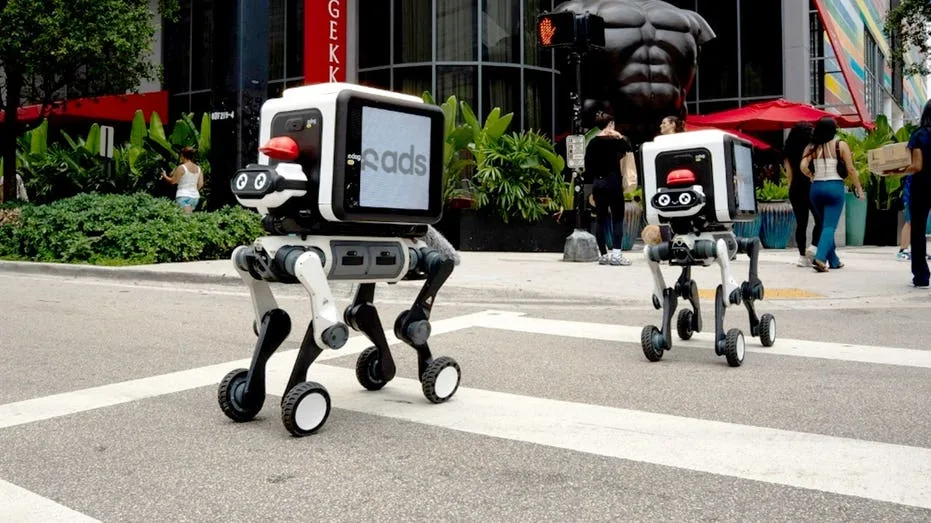
Robot Dog Concept Offers Last-Mile Package Delivery and Mobile Advertising Capabilities
Robot.com has introduced R-dog, a novel autonomous delivery robot designed to navigate challenging terrain. It combines wheeled mobility with articulated legs to reach doorsteps, also featuring screens to display paid
Sep 4
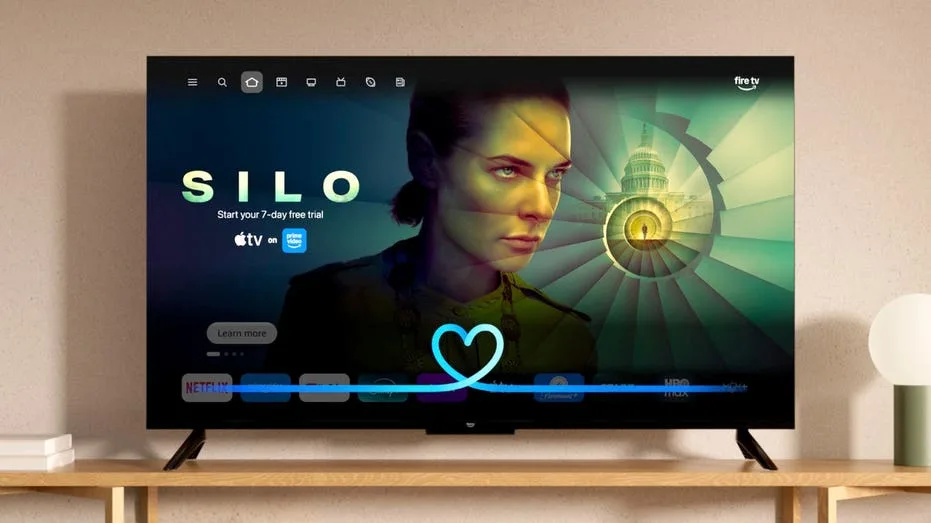
Amazon Introduces Free Alexa+ Upgrade for Compatible Fire TV Devices
Amazon is making its advanced Alexa+ AI assistant available on compatible Fire TV devices in the U.S. without a subscription or Prime membership. This automatic upgrade brings more natural voice interactions, smart home
Aug 31

U.S. Government Authorizes Private Firms for Cyber Operations Against Foreign Criminal Organizations
The U.S. government has initiated a program allowing private companies to engage in cyber operations against foreign criminal organizations. These operations, ranging from intelligence collection to system disruption,
Aug 22

Unmasking Cyberbullying: A Guide for Parents and Grandparents on Protecting Children Online
Online harassment can be difficult to spot, as children may hide their experiences or participate without realizing the harm caused. Parents and grandparents play a crucial role in fostering open communication and
Aug 9