Atlantic City, New Jersey, a once-renowned East Coast resort destination, has seen its image evolve over the years. While still offering prominent hotels, casinos, and its distinctive free beach, the city's perception has been influenced by ongoing concerns related to crime and past corruption scandals.
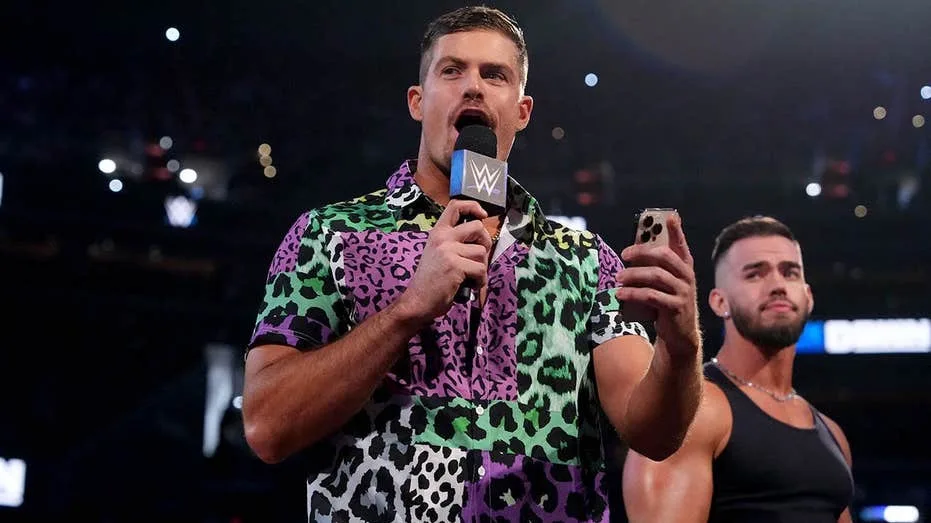
During a recent visit for World Wrestling Entertainment (WWE) events, Australian wrestling personality Grayson Waller voiced a particularly strong critique of the coastal city.
Waller's Candid Assessment of Atlantic City
Waller was in Atlantic City as the historic Boardwalk Hall hosted tapings for "Monday Night Raw" and "Friday Night SmackDown." He subsequently shared a video online, depicting himself running on the beach, where he characterized the New Jersey locale as the "saddest city in America."
"I’ve been to a lot in America but Atlantic City, New Jersey, might just be the saddest," the Australian performer stated. "It’s like Las Vegas for people who have given up on life. But it’s Monday morning. Technically, I’m at a beach – an American version of a beach. While the rest of the Raw roster is sleeping in, I’m out here getting after it. I don’t want to end up like one of these people who has to vacation in Atlantic City, New Jersey. So sad."
Waller's unflattering comparison drew a clear distinction between his personal aspirations and what he perceived as the city's prevailing atmosphere.
A Different Perspective from Matt Cardona
Conversely, another prominent WWE figure, Matt Cardona, holds significantly different and more positive recollections of Atlantic City. Cardona has a history of performing in the city, notably with Game Changer Wrestling (GCW) at the Showboat Hotel, where the ballroom was frequently transformed into a wrestling arena for independent matches.
Reflecting on his connection to the city, Cardona posted on social media:
"Back in Atlantic City tonight for @WWE. Matt Cardona, the man, was born on Long Island. Matt Cardona, the pro wrestler, was born in AC!"
Cardona's remarks highlight Atlantic City's role as a significant location in his professional wrestling journey, offering a nostalgic counterpoint to Waller's recent critical observations.