The bustling environment of a warehouse loading dock presents a constant test of speed and efficiency. As delivery trucks arrive, a torrent of packages begins, requiring swift action from workers to unload heavy boxes, keep goods moving, and ensure operations run smoothly before the next vehicle pulls in. Historically, this segment of warehouse activity has proven particularly challenging to automate due to variables like differing package sizes, shifting freight during transit, and misaligned labels. Furthermore, the transition of tasks from one automated system to the next often requires human intervention or custom engineering to maintain continuity.
Addressing the Warehouse Handoff Challenge
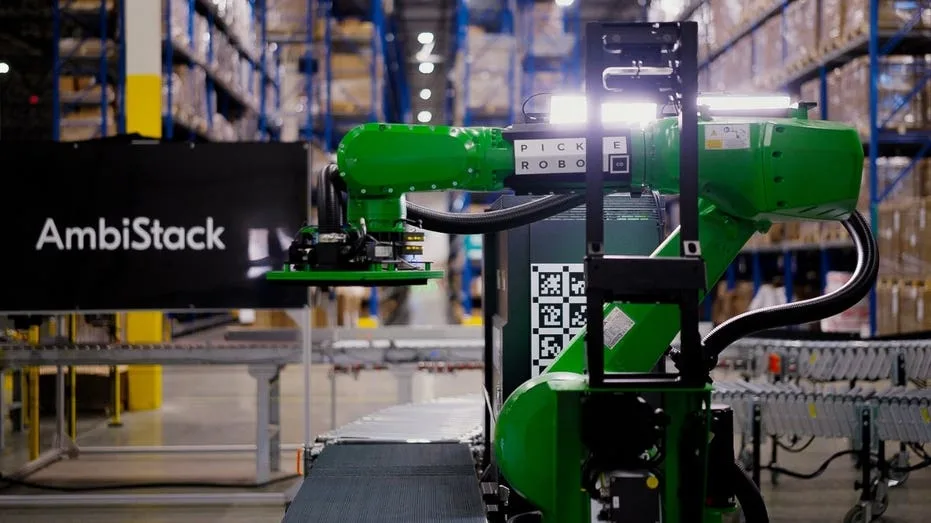
In a significant development for logistics automation, Ambi Robotics and Pickle Robot Company have announced a commercial integration designed to resolve this intricate "handoff problem." Their collaborative effort connects Pickle Robot's specialized trailer-unloading robots with Ambi Robotics' AmbiStack pallet-building system. This means one robotic system can now autonomously unload a diverse mix of freight from a trailer, passing the cases via conveyor downstream to another robotic system that scans and stacks them for subsequent warehouse processing, all without human assistance between the two stages.
This integration marks a potential shift towards a future where robotic systems can manage a greater share of the workload involved in moving goods from a truck to the warehouse floor, especially within large-scale facilities.
The Mechanics of Integrated Robotics
The automated process begins at the trailer bay, where Pickle Robot's system efficiently unloads boxes from incoming trailers or shipping containers. Unloading mixed freight is often physically demanding work and can create significant bottlenecks if warehouses face staffing shortages on the dock. Once unloaded, packages travel via conveyor into the AmbiStack system. Ambi Robotics designed AmbiStack as a versatile stacking solution capable of reading package information and constructing stable pallets for the next phase of warehouse operations.
The core innovation lies in the seamless handoff. While many warehouses already utilize various forms of automation, these systems frequently operate in isolation. One machine might handle unloading, while another manages sorting or stacking. Bridging these separate functions typically necessitates human involvement or bespoke engineering solutions. This new collaboration aims to streamline that connection, creating a more integrated workflow. Both companies assert that their combined system can integrate with existing warehouse infrastructure, potentially allowing operators to implement the technology without extensive facility overhauls.
Physical AI and Supply Chain Transformation
The success of such systems relies heavily on "Physical AI," which refers to artificial intelligence that controls machines performing physical tasks. This is crucial for warehouse robots, which must contend with dynamic variables such as moving boxes, shifting freight, precise conveyor timing, and ensuring pallet stability. These challenges differ significantly from those faced by software designed for tasks like text generation or question answering. A warehouse robot must adapt instantly to its physical environment – whether it's a dented box, a misoriented label, or the need to place a case correctly to maintain pallet stability.
The integration between Ambi Robotics and Pickle Robot demonstrates the practical application of Physical AI within a warehouse setting. Pickle Robot manages the initial trailer unloading, while AmbiStack takes over downstream, scanning and stacking cases for receiving. Together, these systems exemplify how specialized robots can achieve interconnectedness across an entire warehouse workflow.
"Warehouse operators shouldn't have to choose between best-in-class technologies and seamless integration," stated Jim Liefer, CEO of Ambi Robotics. "As Physical AI transforms supply chains, interoperability will become increasingly important."
AJ Meyer, founder and CEO of Pickle Robot Company, directly addressed client needs, explaining,
"Customers want automation that improves real-world throughput while fitting into existing operations."
Addressing Inbound Logistics Challenges
Anyone who has experienced a delayed package understands how quickly supply chains can falter. Often, issues originate long before a delivery vehicle reaches its final destination. Inbound logistics encompasses the critical work of managing goods as they arrive at a warehouse, including unloading boxes from trailers and directing them into the appropriate workflow. This process, while seemingly straightforward, is fraught with real-world complexities.
Trailers frequently arrive with packages packed unevenly, and boxes can come in a multitude of irregular shapes. Warehouse teams also operate under tight schedules and face considerable physical strain. These factors highlight why loading docks have become a primary target for automation. If robots can effectively unload freight and transition it into a pallet-building system without constant human intervention, warehouses could significantly accelerate the flow of goods through one of their most labor-intensive areas.
Impact on the Workforce and Operations
A key question inevitably arises regarding the role of human workers in an increasingly automated environment. Robotic systems are designed to assume repetitive and physically demanding tasks, which could lead to a reduction in workplace injuries and assist warehouses in addressing labor shortages. However, this also implies a shift in the types of jobs that companies will prioritize.
Instead of dedicating an entire shift to unloading trailers, some personnel might transition to monitoring the automated unloading and stacking systems. Others could be tasked with intervening when issues arise, such as a package jam, a scanning error, or a pallet requiring manual adjustment. This evolution in job roles, however, can be unsettling. While automation promises enhanced safety and efficiency, workers naturally seek clarity on their future roles. It remains crucial that while robots manage physical tasks, human judgment, customer service, and rapid decision-making in evolving workflows will continue to be indispensable.
Retailers and logistics providers are currently navigating pressures from multiple directions: consumers demand faster shipping, warehouses contend with staffing challenges, and the rapid growth of e-commerce continuously increases package volume. This creates a difficult equation for businesses that need to move more goods without sacrificing speed at the loading dock.
The integrated setup offered by Ambi Robotics and Pickle Robot provides warehouse operators with an alternative solution. Rather than investing in a monolithic system from a single vendor, they can connect specialized robotic tools tailored to different parts of the job. This approach offers greater operational flexibility and can help operators avoid expensive and disruptive facility redesigns. Essentially, robotic technologies are not only becoming more intelligent but are also learning to collaborate in increasingly practical ways.
Broader Societal Implications
Even for individuals who never enter a warehouse, this type of automation has tangible effects. When warehouses process goods more efficiently, stores can restock shelves faster, online orders may experience fewer delays, and returns could be handled more quickly. Conversely, increased automation will undoubtedly reshape job functions within warehouses, necessitating new training and skill development for workers as these robotic systems become more prevalent.
Ultimately, consumers may also encounter fewer excuses for late packages. Should robots help warehouses mitigate bottlenecks, retailers might further elevate expectations for delivery speed. While this promises greater convenience, it simultaneously intensifies the pressure on every segment of the supply chain in the ongoing pursuit of faster delivery.
The seamless handoff between an unloading robot and a stacking robot represents a significant advancement that could fundamentally alter loading dock operations. Warehouses are often characterized by small delays that accumulate rapidly. If a package is misplaced or waits for human intervention to move to the next stage, the entire process can slow down. This integration illustrates how warehouse robotics are beginning to assume more of the intermediary work between the arrival of a truck and the progression of goods into the warehouse. Nevertheless, the human element warrants continued consideration. These systems have the potential to alleviate strenuous physical labor, which is a positive outcome. Concurrently, they will likely redefine the responsibilities of warehouse personnel. The companies that effectively manage this transition, ensuring it is clear, equitable, and beneficial for workers, will set the standard for future automation.