Shipping Giant Warns Strait of Hormuz Instability is "New Normal" as Iran Moves Millions of Barrels of Crude
A prominent German shipping company has declared a state of heightened risk and regulatory ambiguity as the new reality in the Strait of Hormuz, coinciding with Iran's significant crude oil shipments.
World·
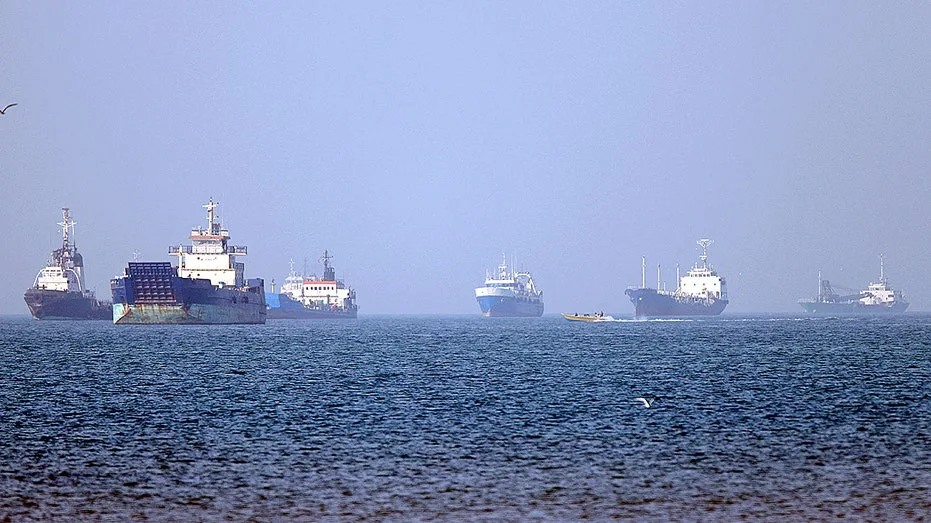
A landscape of elevated risk and unpredictable regulatory directives now characterizes the Strait of Hormuz, a German shipping firm stated recently. The company's remarks underscore a "new normal" for the vital waterway, which has been plunged into operational uncertainty by escalating military engagements and contradictory guidance for vessel routing.
This assessment from the shipping conglomerate also coincided with Tehran initiating the movement of millions of barrels of crude oil from Kharg Island, marking the first such activity in several days, according to maritime intelligence provider Windward AI.
"At Kharg, the T-Jetty and Western Terminal loaded simultaneously for the first time in days; the East Waiting Area holds 28 tankers, 27 dark, signaling the Iranian crude export cycle restarting," Windward AI detailed in a recent online post.
The outbound cargo is estimated to contain approximately 4.12 million barrels of wet cargo, encompassing crude oil and other liquid hydrocarbons. Of this total, roughly 3.91 million barrels are specifically crude oil, as reported by analytics firm Vortexa.
Heightened Risks and Operational Demands
A spokesperson for the shipping company noted that the operational environment has been consistently dynamic since the conflict began, stressing that continuous vigilance is now indispensable for operating within the region.
"We have been making and still make regular risk and situation assessments with our security partners, all relevant authorities and our people on shore and, of course, on the vessels," the spokesperson explained. "It is a region in conflict, so we consider this with every single ship we move in the region and assess the risks for every vessel and its crew individually."
These comments were made following U.S. Central Command (CENTCOM) airstrikes targeting Iranian positions, including Qeshm Island on June 26, after a vessel was reportedly struck in the strait. In response, Iran's Islamic Revolutionary Guard Corps (IRGC) retaliated by targeting U.S. military installations in Kuwait and Bahrain.
Geopolitical Tensions and Divided Control
Compounding the risks from military actions is a struggle for authority over the transit lanes. Lloyd's List has characterized the fragmentation of the waterway as a "confused, two-tier system now operating in the strait, which remains split between the Iran-controlled northern route and a U.S.-protected southern 'highway,' with the pre-war routes rendered unusable because of the risk of mines, separating them."
According to Iran International, Iranian Foreign Minister Abbas Araghchi asserted that under recent understandings, Iran bears the responsibility for managing and fully reopening maritime traffic through the Strait of Hormuz. Separately, Iranian state television indicated that passage through the Strait of Hormuz necessitates coordination with the IRGC.
Navigating the Chokepoint
The shipping company firmly rejected any future proposals to impose fees for transit through this crucial global maritime chokepoint, seeing such measures as an attempt to weaponize or monetize passage.
"It would be fundamentally wrong to impose fees for passage through international waters," the spokesperson stated. "Fees for infrastructure such as the Suez Canal or the Panama Canal are a different matter, as they reflect major infrastructure investments. That is not the case with the Strait of Hormuz."
Despite thousands of crew members being impacted by conflicting naval directives, the company confirmed it had successfully navigated the initial congestion. The spokesperson noted that all the company's vessels affected by the temporary closure of the Strait of Hormuz and waiting in the Persian Gulf were able to depart safely, emphasizing that "the safety of our crews is our highest priority."
Related Stories
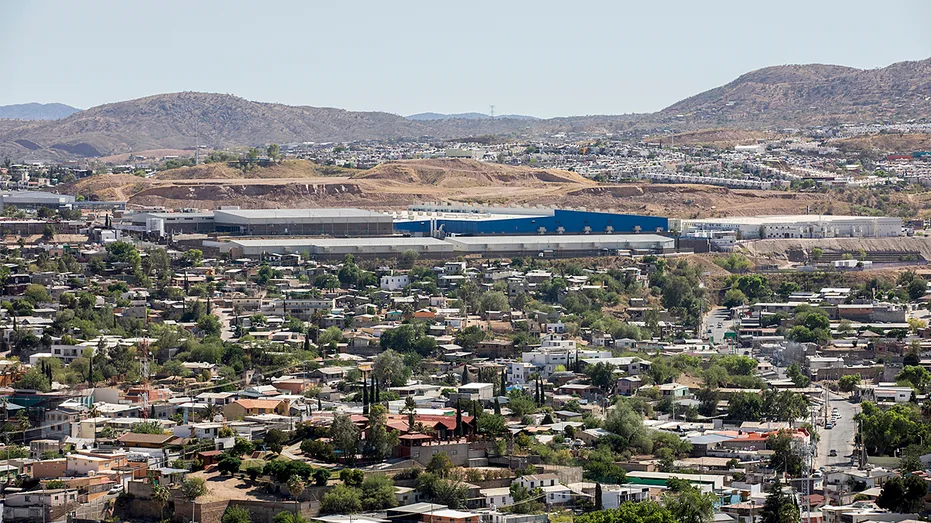
U.S. Government Imposes Travel Restrictions on Nogales, Mexico, Citing Unspecified Threat
U.S. government personnel face new travel restrictions in Nogales, Sonora, Mexico, due to an unspecified threat. The U.S. Consulate General issued an alert, advising essential movement during daylight hours and urging
Sep 7
German Far-Right AfD Secures Historic Victory in Saxony-Anhalt State Election
Germany's far-right Alternative for Germany (AfD) party achieved a historic victory in a regional election in Saxony-Anhalt, posing a significant challenge to the established political order and delivering a major
Sep 7

Rome Implements New 'Red Zone' Security Measures Around Colosseum to Combat Rising Crime
Rome has introduced an "enhanced-control zone" around its iconic Colosseum and other historical sites to combat escalating crime and public safety issues. The four-month measure allows authorities to remove individuals
Sep 7

Far-Right AfD Poised for Historic State Election Win in Germany, Challenging Established Political Order
Germany's far-right Alternative for Germany (AfD) party is on the cusp of an unprecedented electoral victory in Saxony-Anhalt, threatening to break traditional political barriers. This potential win highlights growing
Sep 6