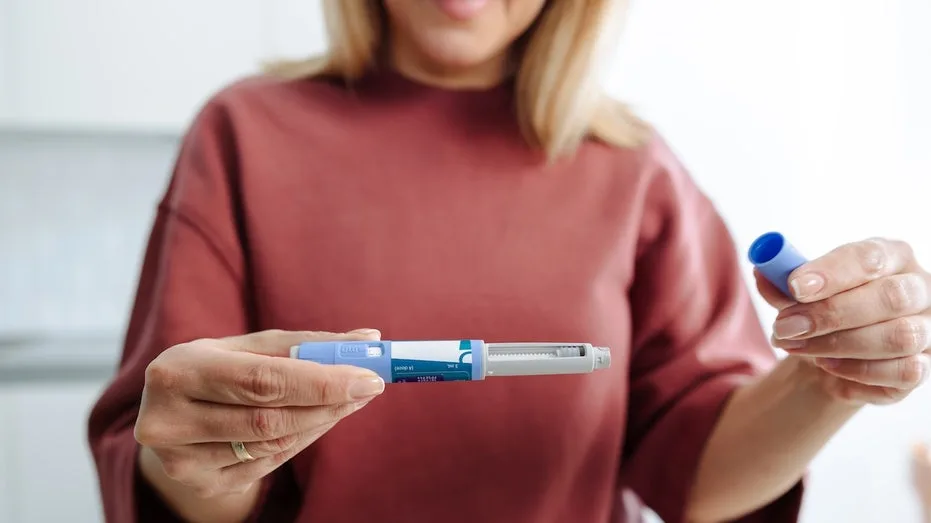
Millions of Medicare beneficiaries dealing with obesity are poised to see a significant reduction in the cost of weight-loss drugs, as a new federal pilot program, set to begin on July 1, expands access to GLP-1 medications such as Wegovy and Zepbound for qualifying seniors.
This new initiative, known as the Medicare GLP-1 Bridge, allows the federal government to offer select brand-name GLP-1 medications to certain Medicare and Medicare Advantage enrollees at a monthly cost of $50.
The medications covered under this program include Eli Lilly’s Foundayo tablets and Zepbound KwikPens, alongside Novo Nordisk’s Wegovy injections and tablets. All these drugs have received approval from the Food and Drug Administration (FDA) for weight management.
The temporary program is scheduled to operate until the close of 2027.
Expanded Access to GLP-1 Medications
This pilot program represents a pivotal moment, as it is the first instance where GLP-1s (glucagon-like peptide-1 receptor agonists) will be covered by insurance specifically for the purpose of weight loss. Previously, older adults seeking GLP-1s solely for obesity faced substantial monthly costs, with Novo Nordisk’s Wegovy (semaglutide) ranging from approximately $1,350 to $1,650 per month, and Lilly’s Zepbound (tirzepatide) costing around $1,086 monthly. While manufacturers did offer some cash-pay options that could lower these prices for eligible patients, the new program offers a standardized, lower cost.
Eligibility for the program comes with specific criteria. Older adults must have had a body mass index (BMI) of 35 or higher when they began GLP-1 therapy, or a BMI of 27 or higher in conjunction with an additional health condition, such as a history of heart attack or stroke, or prediabetes. Importantly, individuals who already have insurance coverage for these medications due to other conditions, like diabetes or sleep apnea, are not eligible for this particular program.
Currently, over 70 million Americans are enrolled in Medicare, and according to Juliette Cubanski, vice president and director of the program on Medicare policy at the healthcare research nonprofit KFF, 10 million of these individuals are categorized as overweight or obese.
“For many older Americans living with obesity, this is a moment they and their families have been waiting for,” Jamey Millar, Novo Nordisk’s executive vice president of U.S. operations, stated in a press release. “The Medicare GLP-1 Bridge program offers a new, affordable path to an FDA-approved treatment that was previously not covered.”
Data Collection and Future Prospects
Dr. Mehmet Oz, who serves as the administrator for the Centers for Medicare & Medicaid Services (CMS), expressed his hope that the program will facilitate the collection of crucial data. This data could potentially inform efforts toward establishing longer-term coverage, while simultaneously offering immediate financial relief to older Americans facing high medication costs.
“The sheer cost of these medications is a huge barrier to access,” he commented during a call with reporters. “That ends today.”
Dr. Oz informed reporters that CMS intends to “carefully track participation and outcomes” to determine whether an extension of the Bridge program or an alternative solution would be the most effective path forward. He also noted that a federal law permanently authorizing such coverage is “not essential right now” but represents something “for Congress to debate amongst themselves.”
“We can’t decide what’s going to happen long term with Bridge until we see some of the data,” he explained, further mentioning ongoing discussions with pharmaceutical companies aimed at reducing costs.
Considerations for Older Patients
One potential concern associated with the expanded access is that older patients generally tend to experience more adverse effects from medications, according to Dr. Micah Eimer, a clinical assistant professor of cardiology at the Northwestern University Feinberg School of Medicine.
“Specifically, in our research, older patients on blood pressure medications were more likely to experience hypotensive side effects, such as fainting and dizziness, after starting a GLP-1,” Dr. Eimer noted in a statement.