Jury Deadlock in Arson Case Sparks Concerns Over Ideological Influence in Courtroom
A recent mistrial in a major arson case is amplifying fears that juror ideology could increasingly sway verdicts, with implications for upcoming high-profile proceedings like the Luigi Mangione trial.
U.S.·
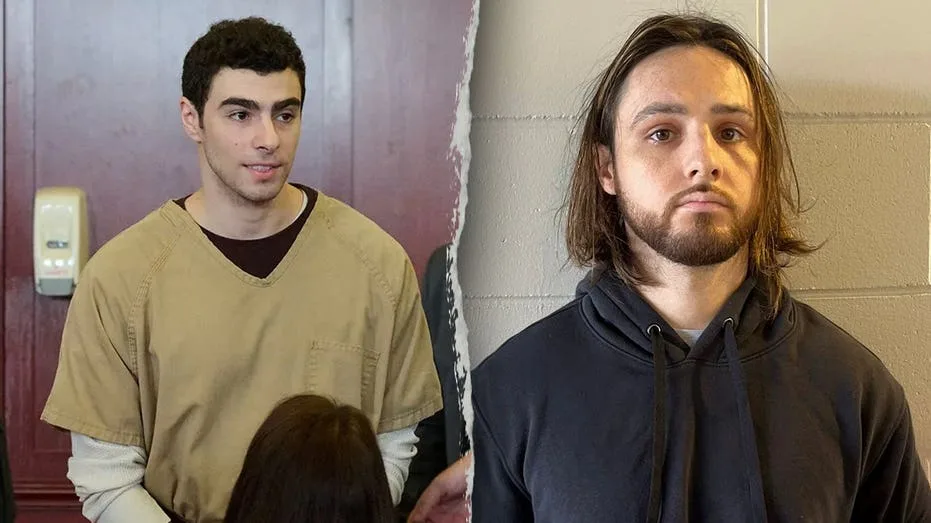
A recent jury deadlock in a significant arson trial has ignited fears that ideological biases are increasingly affecting jury decisions, a trend that could significantly impact future high-profile cases, such as the upcoming trial of Luigi Mangione.
Mistrial Declared in Palisades Fire Case
A federal judge recently declared a mistrial for Jonathan Rinderknecht, who stands accused of intentionally starting the devastating Palisades Fire. The decision came after jurors were unable to reach a unanimous verdict. Rinderknecht, arrested in October 2025, faced charges of property destruction by fire and had entered a plea of not guilty. During deliberations, ten California jurors believed Rinderknecht was not guilty, while two held the opposite view.
A woman identifying herself as Juror Number Four spoke to reporters following the mistrial announcement. She asserted there was "no proof" of Rinderknecht's guilt and described a retrial, which prosecutors intend to pursue, as a "waste of our American dollars."
A former prosecutor suggested that the Rinderknecht outcome could stem from jury nullification, where jurors disregard the law, or perhaps from jurors attributing blame to other parties, such as government officials or the Los Angeles Fire Department. He noted that the Department of Justice took nine months to apprehend and charge Rinderknecht. During this period, many residents who lost their homes and the families of the twelve individuals who died in the fire reportedly criticized local authorities, alleging inadequate preparation for the high winds that preceded what became one of California's most destructive fires.
Luigi Mangione Case Presents Unique Nullification Threat
While the Rinderknecht jury's inability to reach a verdict might have been influenced by public dissatisfaction with official responses, the case involving Luigi Mangione presents a potentially more direct and potent threat of jury nullification, according to legal experts. Mangione is accused of the assassination of UnitedHealthcare CEO Brian Thompson outside a Manhattan hotel in December 2024, an incident that garnered widespread public sympathy for the alleged perpetrator.
Rinderknecht's retrial is scheduled for mid-October, approximately when Mangione's federal trial could commence. The former prosecutor cautioned that prosecuting attorneys have limited time to prepare for what he characterized as an unprecedented challenge to the jury system.
"I do think the prosecution should be concerned about jury nullification in the Luigi Mangione case. He's probably the most popular accused murderer I've ever covered in my 25 years of practice," the former prosecutor stated. "And depending on the surveys that you read, anywhere from 10 to 20% of people believe that he was justified in what he did."
He highlighted that the defense in Mangione's case only needs one sympathetic individual among the twelve jurors, giving him a statistical advantage. "The reason why that's an important number is that you just need one out of 12 jurors if you're the defense. That's 8%," he elaborated. "Mangione is a good looking guy, he is smart, he comes from a wealthy family and there's a line of people outside that courtroom every time he makes an appearance." He emphasized the need for both federal prosecutors and the Manhattan District Attorney's Office to exercise extreme caution during jury selection to ensure the removal of any jurors who might harbor sympathy for Mangione.
The Challenge of "Stealth Jurors"
Even if federal and Manhattan prosecutors succeed in identifying and excusing jurors sympathetic to Mangione, another significant risk persists: "stealth jurors." These individuals deliberately conceal their true biases to influence a trial's outcome.
The former prosecutor warned that stealth jurors pose a substantial problem for prosecutors in either of Mangione's trials. "Stealth jurors are a huge problem and it is not easy to identify people that want to get on the panel. Most people don't want to serve as jurors," he explained. "So when a juror actually wants to be on the panels, it's one of the most difficult jobs of an attorney to try to ferret them out."
Regarding Mangione's situation, the former prosecutor noted a distinction from the Rinderknecht case: some jurors in Mangione's trial might seek to "put our health insurance industry on trial" rather than focusing solely on the defendant's actions.
Broader Implications for the Justice System
Ultimately, the former federal prosecutor contended that this issue extends beyond individual cases, pointing to a broader trend impacting the justice system.
"I do believe jury nullification is more of an issue now than the past for two reasons," he asserted. "The country is more polarized and with social media, you have everyone following these trials in a way that you didn't have before when there was local media coverage only. Now people all over the country are following every single case, especially these high-profile true crime cases."
Related Stories

Dramatic Footage Shows Floodwaters Breaching Student Home Doors in New Jersey
Intense flash flooding in Glassboro, New Jersey, on August 27, saw floodwaters dramatically burst into an off-campus student home near Rowan University. The event caused extensive damage to four lower-level bedrooms, as
Sep 7
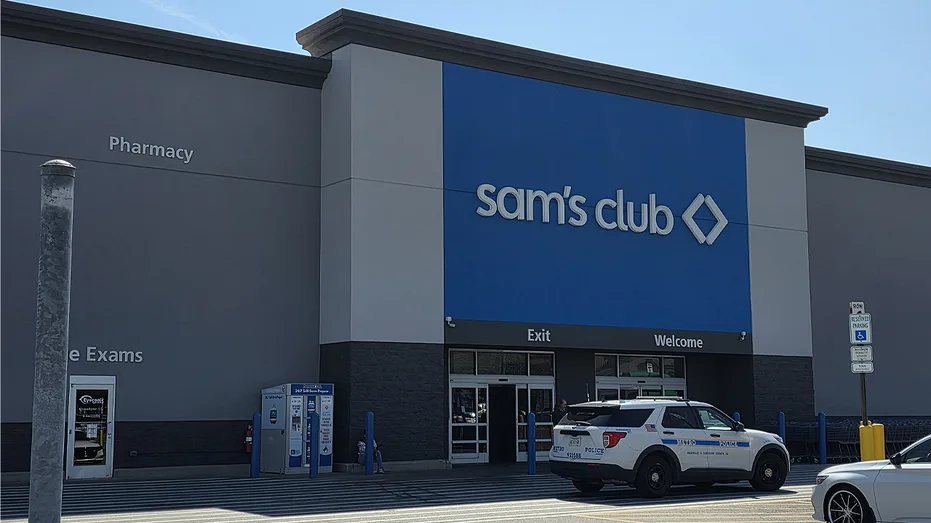
Frito-Lay Worker Killed Inside Nashville Sam's Club by Stray Bullet from Nearby Lounge Dispute
A Frito-Lay worker, 55-year-old Paris Carlock, was tragically killed inside a Nashville Sam's Club by a stray bullet. The fatal shot came from an argument that began at a nearby lounge and escalated into gunfire
Sep 6
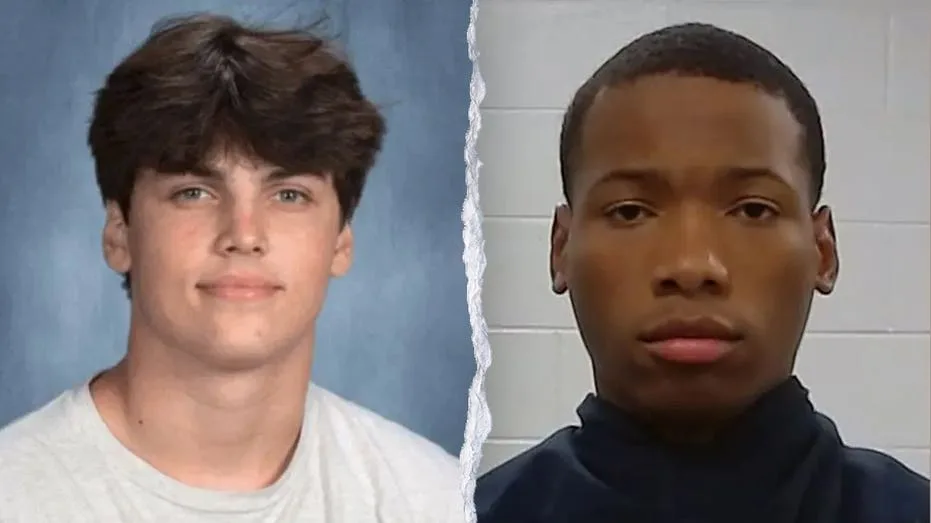
Karmelo Anthony's Family Seeks Quarter-Million Dollars for Appeal After Prior Fundraiser Drew Scrutiny
Karmelo Anthony's family has launched a new fundraising drive for his appeal, seeking $250,000 for legal costs. This follows a prior campaign that raised $633,908, leading to inquiries about how those funds were
Sep 6
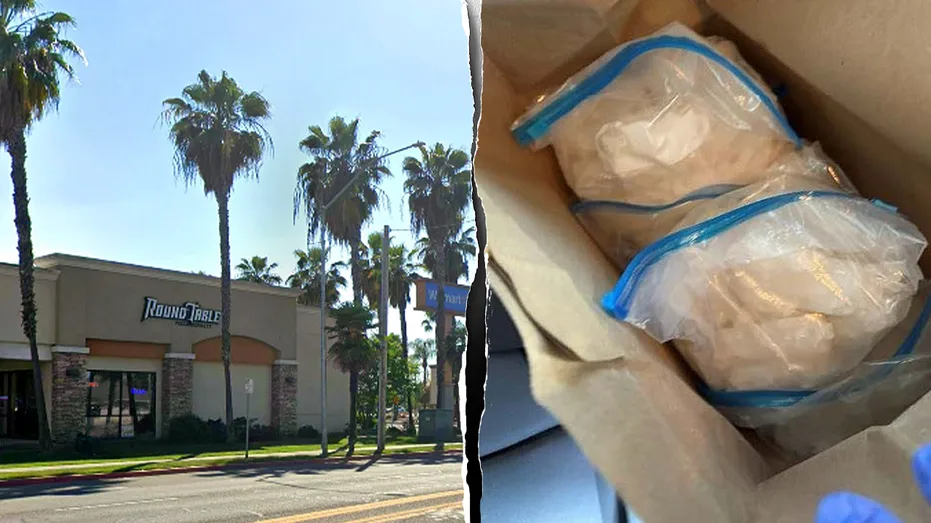
California Pizza Restaurant Allegedly Operated as Major Meth Distribution Hub; Man Faces Federal Charges
A California man faces federal drug and firearm charges, accused of operating a pizza restaurant as a hub for distributing methamphetamine. Authorities reportedly seized over 40 pounds of meth, multiple firearms, and
Sep 6