Hoffa Family Urges FBI to Keep Disappearance Case Open and Identify Perpetrators
As the 51st anniversary of Jimmy Hoffa's vanishing approaches, his family calls for the FBI to publicly disclose all known information regarding his killer and ensure accountability.
U.S.·
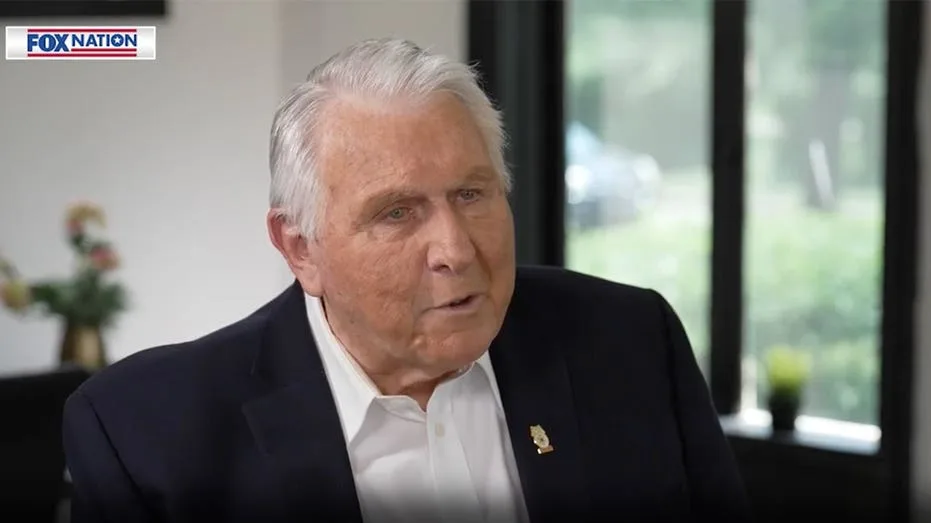
The relatives of Jimmy Hoffa are appealing to the Federal Bureau of Investigation (FBI) to maintain an open investigation into the labor leader's disappearance and to disclose all information known about those responsible for his presumed death. This plea comes as the 51st anniversary of his historic vanishing approaches in two weeks.
Hoffa's son expressed dismay at the prospect of the government closing such a high-profile case. He emphasized its national significance and the ongoing need for the FBI's dedicated efforts to resolve it. "We want the case solved. The family wants to have accountability for this horrible crime. We want the case solved so that the family can have closure," he stated.
He further stressed the importance for both his family and the nation that the truth surrounding his father's disappearance be revealed, and that all individuals involved, even if deceased, be identified. "My sister Barbara and I urge the FBI to keep the case open and active, and to continue the investigation," he added.
The Enduring Mystery of Jimmy Hoffa's Disappearance
Jimmy Hoffa was last seen on July 30, 1975. He was on his way to what he believed was a crucial meeting intended to aid his campaign to regain the presidency of the Teamsters union. He was observed in the parking lot of the Machus Red Fox restaurant in Bloomfield Hills, Michigan, at approximately 2:30 p.m. local time, entering a vehicle that then drove away.
Despite extensive investigations over the decades, Hoffa's remains have never been recovered, and no charges have ever been filed in connection with his disappearance.
A documentary series, "Riddle, The Search for James R. Hoffa," has explored various theories surrounding his fate. One theory suggests that Hoffa was picked up at the restaurant by Detroit mob capo Vito "Billy Jack" Giacalone and mobster Anthony "Tony Pal" Palazzolo. He was then reportedly driven to a nearby residence owned by mobster Carlo Licata, where he was allegedly killed. According to this theory, his remains might have been disposed of at a mob-operated sanitation facility in Hamtramck.
Hoffa had reportedly been told he would be meeting with Anthony "Tony Jack" Giacalone, a powerful Detroit mobster and brother of Vito Giacalone, as well as Anthony "Tony Pro" Provenzano. Provenzano, a New Jersey Teamsters local president and a capo in the New York City-based Genovese crime family, was known to be a bitter union rival. Hoffa sought the support of Provenzano's 10,000-member New Jersey local for his bid to lead the union.
While numerous conflicting theories have persisted regarding Hoffa's ultimate fate, reports indicate that an informant once told the FBI they were present during Hoffa's death and identified Vito "Billy Jack" Giacalone as the individual who killed him. Such critical information would typically be documented in FBI records, known as 302s; however, this specific detail has not yet been made public.
A Call for Transparency and Closure
In a letter to FBI Director Kash Patel, Hoffa's son reiterated the family's desire for resolution. "We and likely many other Americans would rather have the case solved, not shelved. We seek closure, not millions of documents that continue the mystery," he wrote.
The current status of the criminal case remains unclear. The FBI has stated, "The release of these historic files on Jimmy Hoffa's disappearance is yet another step in that direction." The bureau has previously released thousands of documents related to the case, but many are heavily redacted, potentially obscuring vital information.
James Hoffa proposed that the unredacted files could be transferred to the National Archives, emphasizing that such a move should not signify the closure of the case. "We want the case solved, we don't want tons of redacted paper sent to us," James Hoffa asserted.
The FBI's Detroit field office has assumed responsibility for the investigation, and the bureau maintains that it continues to treat the case with seriousness. James Hoffa concluded, "It is time for the FBI to solve the case and to hold people accountable and name names, even if they are deceased, to solve this national mystery."
The eight-part series "Riddle, The Search for James R. Hoffa" delves into the complex details of the disappearance.
Related Stories
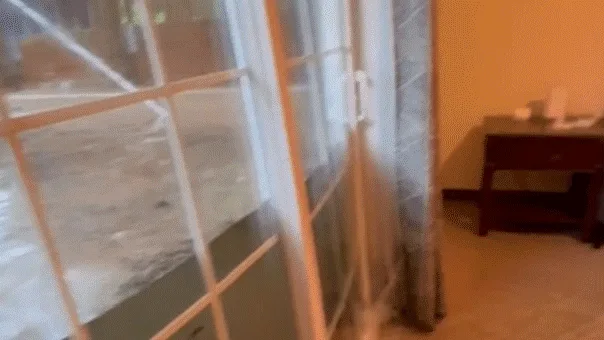
Dramatic Footage Shows Floodwaters Breaching Student Home Doors in New Jersey
Intense flash flooding in Glassboro, New Jersey, on August 27, saw floodwaters dramatically burst into an off-campus student home near Rowan University. The event caused extensive damage to four lower-level bedrooms, as
Sep 7
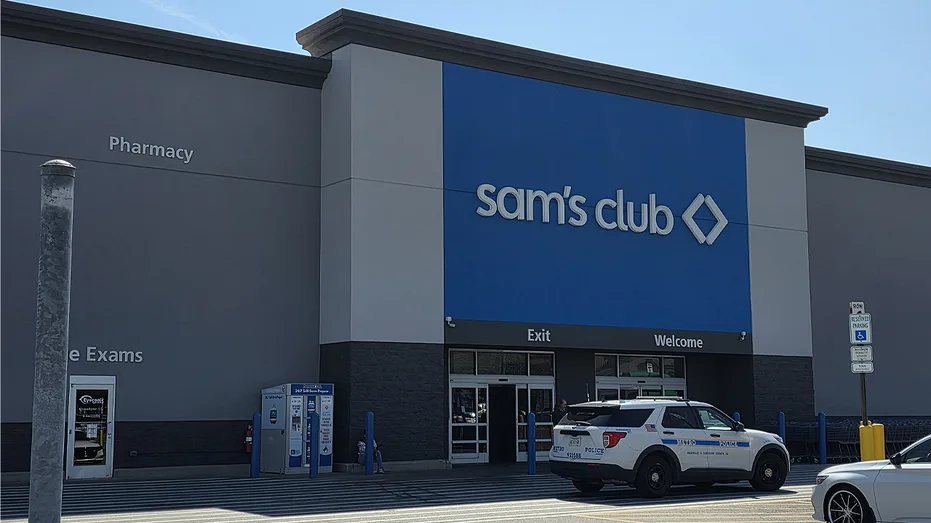
Frito-Lay Worker Killed Inside Nashville Sam's Club by Stray Bullet from Nearby Lounge Dispute
A Frito-Lay worker, 55-year-old Paris Carlock, was tragically killed inside a Nashville Sam's Club by a stray bullet. The fatal shot came from an argument that began at a nearby lounge and escalated into gunfire
Sep 6
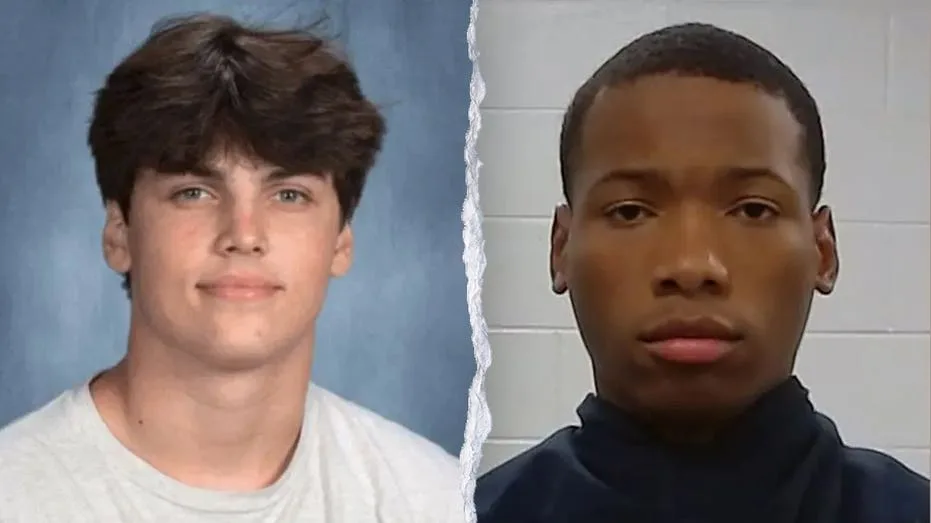
Karmelo Anthony's Family Seeks Quarter-Million Dollars for Appeal After Prior Fundraiser Drew Scrutiny
Karmelo Anthony's family has launched a new fundraising drive for his appeal, seeking $250,000 for legal costs. This follows a prior campaign that raised $633,908, leading to inquiries about how those funds were
Sep 6
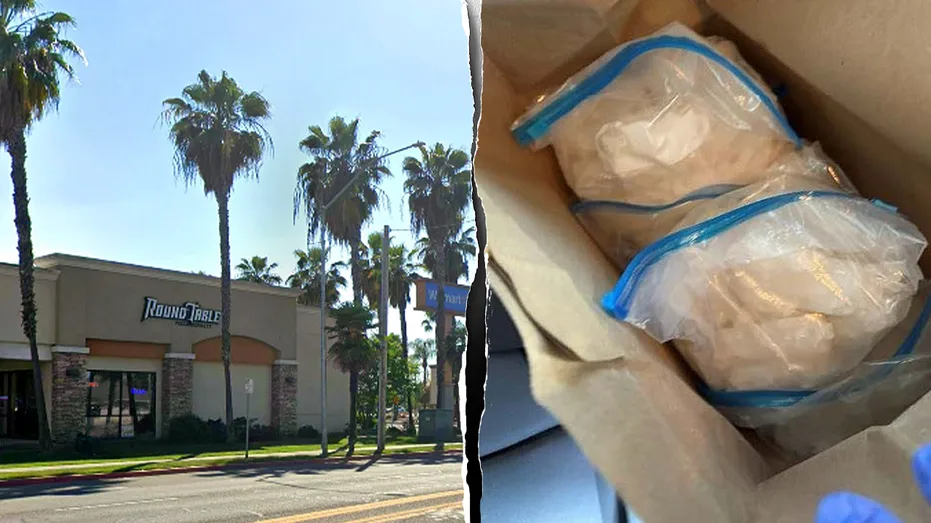
California Pizza Restaurant Allegedly Operated as Major Meth Distribution Hub; Man Faces Federal Charges
A California man faces federal drug and firearm charges, accused of operating a pizza restaurant as a hub for distributing methamphetamine. Authorities reportedly seized over 40 pounds of meth, multiple firearms, and
Sep 6