James Carville Raises Alarm Over Democratic Socialist Influence, Foresees Potential End to Two-Party System
Veteran Democratic strategist James Carville, alongside co-host Al Hunt, recently voiced apprehension about the increasing sway of radical elements across the political spectrum, suggesting a looming threat to the traditional two-party consensus.
Media·
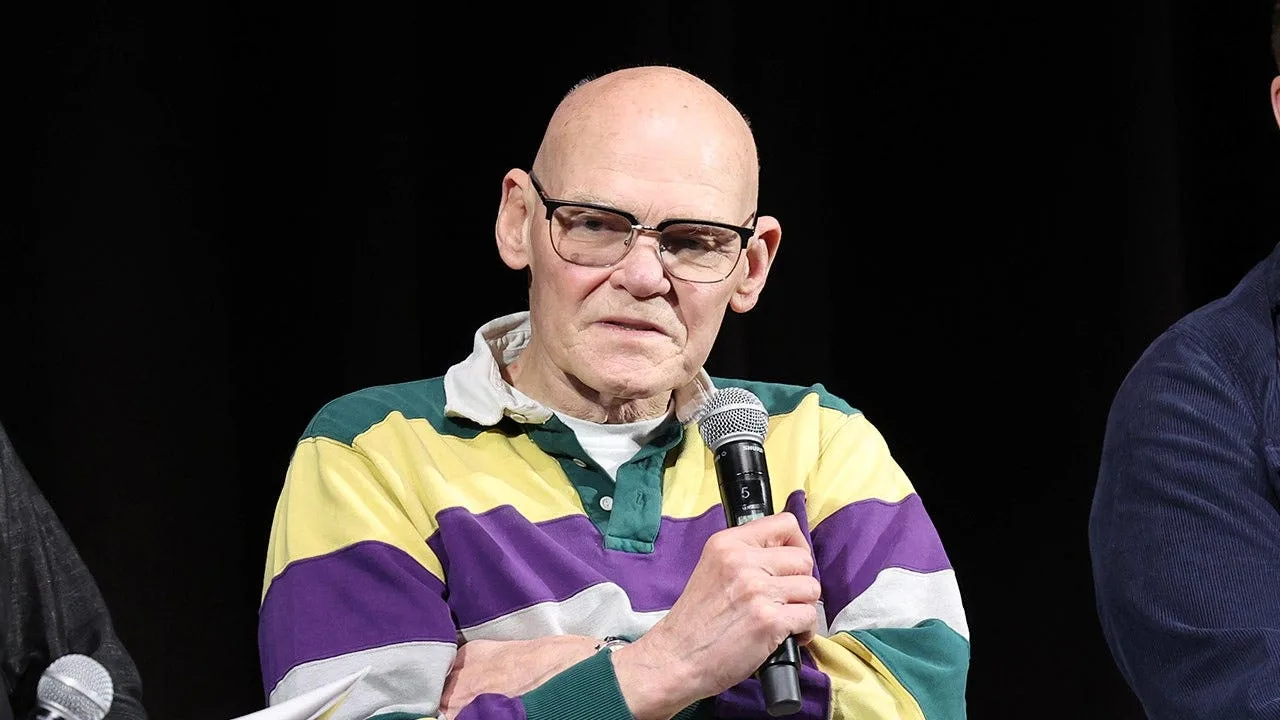
Veteran Democratic strategist James Carville, joined by his podcast co-host Al Hunt, recently expressed profound concern over the escalating influence of radical factions in both major political parties, suggesting this development could signal the demise of the long-standing two-party consensus in American politics.
Carville has been a vocal critic of the ascendance of certain democratic socialists who have secured primary victories in traditional Democratic strongholds. His apprehension has previously led him to propose a potential schism within the party to prevent these elements from gaining significant power.
Understanding the Shift in Political Dynamics
One contributing factor to the recent shifts in political ideology, according to Carville, is the widespread belief among struggling younger generations that preceding generations have utterly failed to address their needs. While acknowledging some economic challenges, Carville contended that the situation is not as dire as many young people perceive it to be.
During a discussion on their program, "Politics War Room," Carville reiterated his conviction that the foundational Democratic principles—emphasizing pluralism, a regulated economy, and a robust social safety net with comprehensive social insurance—remain the optimal path forward for the United States. However, he lamented that younger demographics no longer appear to embrace this vision.
"And it’s a very, very, very taxing time. I mean, the only thing on the horizon that was coming up would be the nomination of a Democratic candidate for president in 2028. I think that should be it. But I just think the party may have to splinter," he cautioned.
The Future of the Two-Party System
While acknowledging his own age, Carville noted that a segment of younger individuals still shares his perspective on Democratic Party politics. Yet, he observed a broader trend: "People always talk about the end of the two-party system. We might seem pretty close to the end of it."
He extended this observation beyond his own party, suggesting a similar struggle on the Republican side. "There’s certainly no place for anything you would think of as traditional John McCain, Mitt Romney Republicans, because they got nowhere to go," Carville stated. "So I don’t know where this is going, but it’s hard for me to see that the two parties are going to dominate American politics in the future as they have in the past."
Distinguishing New Political Trends
Both Carville and Hunt acknowledged their disagreements with certain more progressive Democrats, such as Pramila Jayapal and Alexandria Ocasio-Cortez. However, Carville asserted that the emerging wave of democratic socialists represents a fundamentally different and more concerning ideological shift.
"This new crop that's coming in, this is entirely different. This is not the same thing. I think people might be voting for it and hadn't thought about it. I don't know what they’re doing, but I got to tell you," he remarked, "This is the new trend and it's a very disturbing trend and it like people are just looking for a quick solution to just do anything that they can to stop the pain they're going through and I got news for you, there are no quick solutions."
Related Stories

Activist at Socialism 2026 Conference Labels Diet Industry's Focus on 'Black Fat Flesh' as 'Body Fascism'
An activist at the Socialism 2026 conference in Chicago described the diet industry's focus on 'Black fat flesh' as 'body fascism.' Author Da’Shaun L. Harrison argued that health standards policing Black fatness are
Sep 7
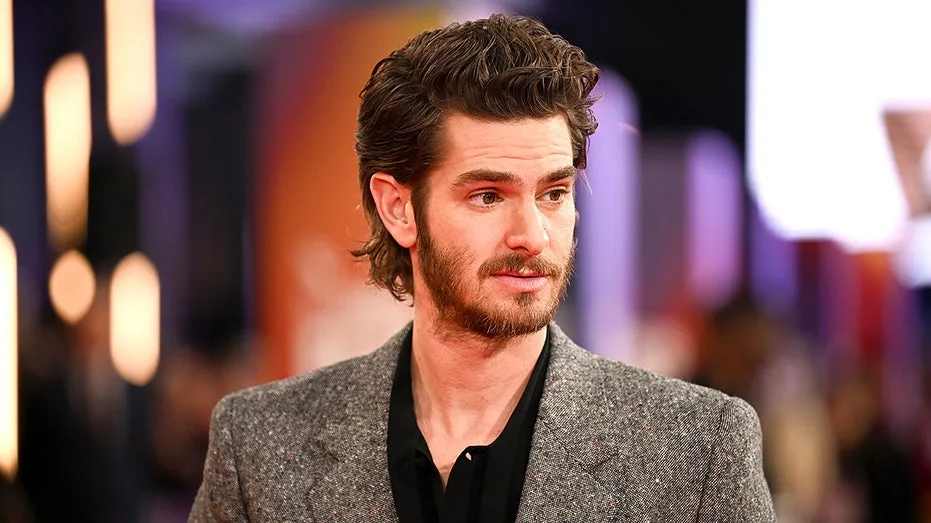
Andrew Garfield's Comments on Billionaires and New Film "The Uprising" Ignite Controversy
During a Los Angeles screening for his film "The Uprising," Andrew Garfield stated he hoped the movie would frighten billionaires. His remarks quickly drew criticism on social media, with many pointing to the actor's
Sep 6
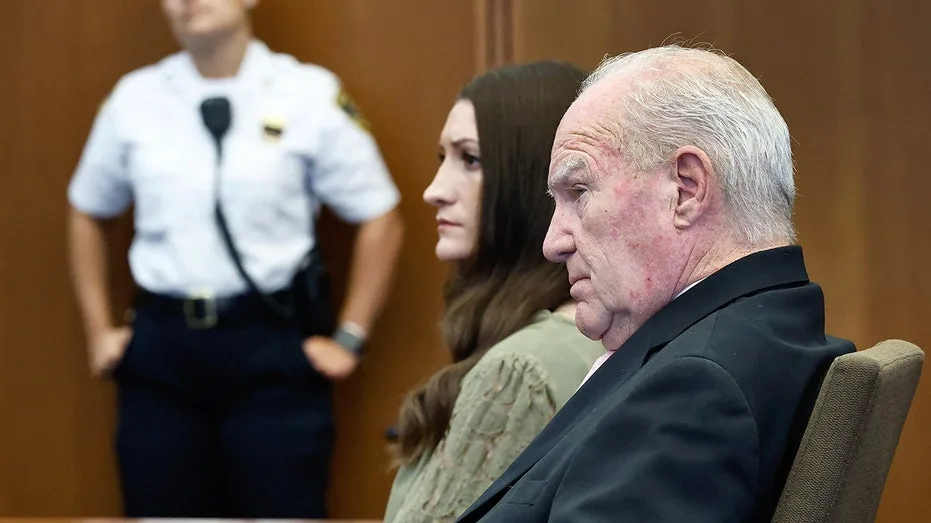
Dr. Phil Reflects on Lindsay Clancy Mistrial, Calls for Learning from "Failure" in Postpartum Psychosis Case
Dr. Phil McGraw commented on the Lindsay Clancy mistrial, emphasizing the seriousness of postpartum psychosis and the importance of understanding mental illness in legal proceedings. He highlighted the need for
Sep 5

Pentagon AI Expert Cautions Against "China-Like Surveillance State" from Unchecked Camera Expansion
A former Pentagon AI policy director warns that widespread AI surveillance tools like Flock cameras risk creating a "China-like surveillance state" without proper guardrails. He advocates for strict rules and judicial
Sep 5