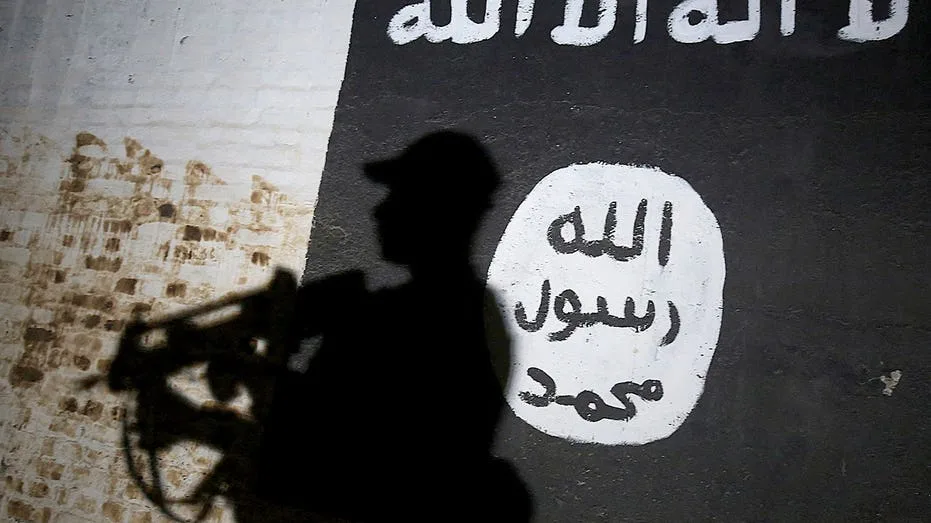
The Islamic State group is reportedly undertaking a quiet resurgence as the United States prepares to finalize its military disengagement from Iraq. This development raises significant concerns that the extremist organization could capitalize on any resulting security void, according to a prominent regional security analyst. Counterterrorism expert Dr. Omar Mohammed suggests that with American forces scheduled to depart by September 30, and as Baghdad simultaneously endeavors to assert control over Iran-backed militias, Iraq may be entering its most perilous phase since ISIS's capture of Mosul in 2014.
Dr. Mohammed emphasized the critical nature of the impending departure. "The question is not whether American forces leave Iraq in September; that timetable is set. The question is what leaves with them," he stated. He further elaborated on the complex dynamic fueling instability: "The militias claim the ISIS threat in order to keep their weapons, while ISIS recruits from the grievances that the militias create." This interdependence, he noted, mirrors the conditions that led to the collapse of Mosul's defenses more than a decade ago, when the city was caught between a sectarian security apparatus and the insurgency it inadvertently fostered.
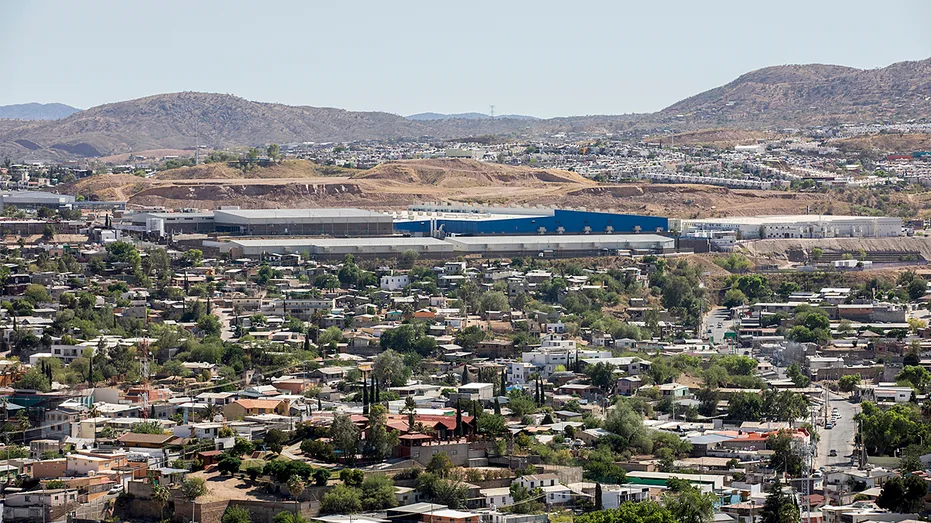
After years of meticulous preparation, ISIS successfully seized Mosul, located approximately 250 miles north of Baghdad, in 2014. Iraqi security forces stationed there swiftly disintegrated and abandoned the city. The group had established extensive underground networks through a campaign of assassinations, extortion, intimidation, and infiltration before launching its full-scale offensive. Following its capture of Mosul, ISIS acquired U.S.-made weaponry and hundreds of millions of dollars, which its leader, Abu Bakr al-Baghdadi, used to declare the group's self-proclaimed caliphate.
During this period, Dr. Mohammed initiated "Mosul Eye," an anonymous blog dedicated to chronicling daily life under ISIS rule, exposing its operational strategies, and providing crucial intelligence to U.S. forces. His remarkable story is detailed in the book Mosul Eye: A Scholar's Clandestine War Against ISIS, set for release on July 21 by Skyhorse Publishing, featuring a foreword by Pope Francis and an introduction by retired General David Petraeus.
Iraqi forces, supported by the U.S.-led coalition, eventually recaptured Mosul in July 2017. Although the U.S. combat mission in Iraq concluded in 2021, ISIS has maintained operational capabilities in various parts of both Iraq and Syria. U.S. Central Command (CENTCOM) has affirmed its commitment to continuing efforts to dismantle ISIS networks and prevent the terror group's resurgence.
The Dual Deadlines and Interdependent Threats
Despite these assurances, Dr. Mohammed, citing Iraqi intelligence assessments, indicates a substantial increase in the number of ISIS fighters in neighboring Syria, growing from an estimated 2,000 to as many as 10,000 since the collapse of Bashar Assad's government in 2024. He also highlighted that the Popular Mobilization Forces (PMF), an overarching organization formally integrated into Iraq's security infrastructure, was never fully disbanded following ISIS's territorial defeat.
The PMF, he estimates, comprises approximately 238,000 members and receives billions of dollars in governmental funding. This force includes various factions with close affiliations to Iran, many of which operate beyond the direct command and control of the Iraqi government. Baghdad is currently attempting to bring these armed groups, including prominent entities such as Kataib Hezbollah and Asaib Ahl al-Haq, under complete state authority.
Dr. Mohammed underscored the confluence of these events, explaining, "Sept. 30 is not one deadline; it is two," referring to both the scheduled U.S. withdrawal and the domestic push to disarm these factions. He reiterated the complex relationship between the groups: "The militias and ISIS are not separate stories; they are deeply interdependent. Each actively justifies the other. Both forces thrive in the unstable spaces the central state cannot hold."
Lessons from the Past, Warnings for the Future
The impending U.S. withdrawal aligns with a 2024 agreement between the U.S. and Iraq, which projected an end to the mission in Iraq by 2025 while maintaining support for anti-ISIS operations in Syria through September 2026. Dr. Mohammed issued a strong caution against repeating past errors of complacency.
"Mosul did not fall in 2014 because ISIS was strong," he asserted. "It fell because everything that would have detected its strength—presence, attention, honest reporting from the ground—had been withdrawn in the years before, while the world's eyes were elsewhere."
Iran's Strategic Calculus in a Shifting Landscape
Meanwhile, Iraqi Prime Minister Ali al-Zaidi's White House visit on July 14, where the departure of remaining U.S. troops from Iraq was announced, drew sharp criticism from Tehran. According to Iran International, Ali Akbar Velayati, an adviser to Iran's Supreme Leader Mojtaba Khamenei, characterized al-Zaidi's trip as "regrettable" and claimed it undermined Iraq's national dignity.
Dr. Mohammed explained that Iran's influence within Iraq holds significant importance for Tehran, particularly after U.S. strikes had weakened parts of its proxy network. "Iran's strategic calculation matters more now than at any point in a decade because Iraq is essentially what Iran has left," he observed. "So the regime's real fear is not resurgence. It is irrelevance." He elaborated that Tehran's concern stems from the prospect of an Iraq where the government successfully disarms militias, U.S. forces depart on terms dictated by Baghdad rather than Iran, and no active security crisis remains to justify the continued operation of armed groups outside direct state control.
Concluding his assessment, Dr. Mohammed cautioned, "That said, what happens across the wider region after September will not be decided by anyone's stated intentions or diplomatic promises." He delivered a stark final warning: "I have seen what a city pays when that judgment is wrong. Whether ISIS grows large enough to frighten Iran, or stays just large enough to serve it, will be one of the defining questions of the year after the withdrawal."