Moderate Democrat Secures Arizona Primary Win, Fending Off Progressive Challenge in Key Sun Belt District
Representative Greg Stanton's victory in Arizona's 4th Congressional District primary marks a notable win for the Democratic Party's moderate faction amidst a series of progressive successes nationwide.
Politics·
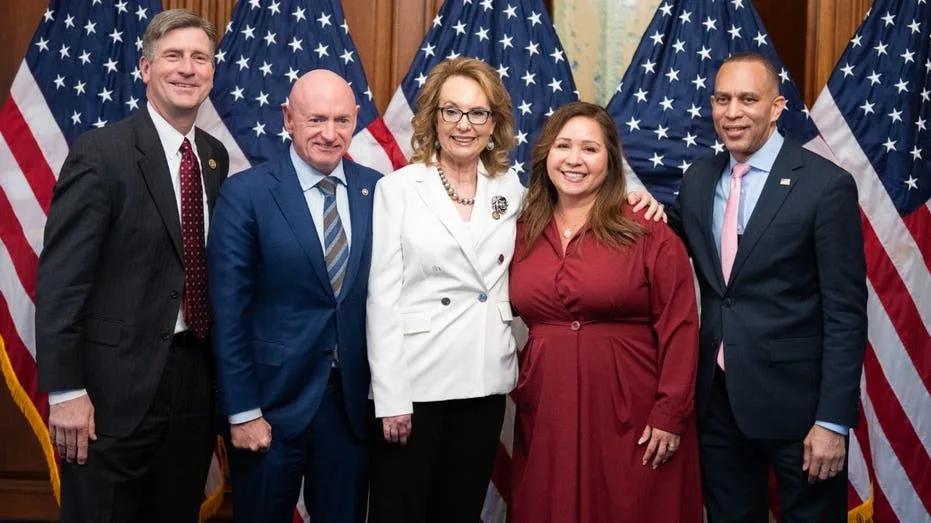
In a significant development for the Democratic Party's moderate wing, incumbent Representative Greg Stanton has successfully defended his seat in Arizona's 4th Congressional District primary. This victory comes after a period where progressive candidates had secured a number of Democratic primary wins in states such as New York, Colorado, and Washington, D.C.
Stanton's win on Tuesday night concludes a contentious primary contest against progressive challenger Kai Newkirk. Throughout their campaign, Newkirk criticized Stanton for allegedly being overly supportive of business interests and Israel, echoing themes used by successful progressive challengers against established Democrats in New York.
While these arguments resonated with voters in other states, they did not yield the same results in Arizona. Stanton will now advance to the general election in November, where he is widely considered a strong contender to secure a fifth term in the House of Representatives.
Divisions Over Israel and Business Interests
A central point of contention during the primary campaign was Representative Stanton's consistent support for Israel.
"He has refused to do anything to try to hold the extremist Israeli government accountable for its genocide in Gaza, for the war crimes around the region," Newkirk stated concerning Stanton's stance.
Newkirk specifically highlighted Stanton's votes to provide aid to Israel, his opposition to the Biden administration's efforts to limit arms sales to the nation, and his vote to impose sanctions on the International Criminal Court for pursuing cases against Israeli leaders. Stanton, who receives backing from AIPAC, has advocated for ceasefires and supports a two-state solution to resolve the conflict.
The incumbent congressman's engagement with corporate entities also drew criticism from Newkirk.
"It's always been clear to me that he's a corporate Democrat who's never going to fight for the kinds of changes that we need to really shift from oligarchy in our country to a real democracy that puts working-class people first," Newkirk reportedly told Axios earlier in the campaign.
Stanton is affiliated with the New Democrat Coalition, a center-left caucus in the House of Representatives known for its generally pro-business approach to policy-making. In contrast, Newkirk is a member of the Democratic Socialists of America (DSA). It was reported by the Arizona Republic in July that Newkirk joined the DSA just days prior to seeking their endorsement.
Immigration Policy Disagreements
Newkirk also challenged Stanton on his positions regarding immigration, particularly his support for the Laken Riley Act.
According to Newkirk, Stanton's backing of the Laken Riley Act "gave Trump a green light for his authoritarian mass deportation campaign and began this erosion of due process."
The Laken Riley Act, which passed in 2025 with bipartisan support from 46 House Democrats, mandates that federal immigration enforcement agencies detain undocumented immigrants who have been charged with serious criminal offenses. While Stanton voted in favor of this legislation and has criticized the Biden administration's handling of border issues, he has also called for increased oversight of Immigration and Customs Enforcement (ICE) and voiced criticism of the Trump administration's broader immigration agenda.
Controversies Impacting the Challenger's Campaign
The final weeks of Newkirk's campaign were marked by controversy. In July, several local activists and party organizations withdrew their endorsements following accusations of sexual assault against former Maine Senate candidate Graham Platner, an event that ultimately hindered Newkirk's campaign.
Additionally, a 2019 blog post surfaced, which Newkirk has labeled as defamatory, accusing him of "grooming" young female political activists. Although one of the post's authors later disavowed it, citing a failure to meet journalistic standards, the Young Democrats of Arizona rescinded their endorsement of Newkirk on July 9. They stated they had been "recently made aware of some concerning patterns of behavior" from the candidate. Around the same time, a leader within the Phoenix chapter of the Democratic Socialists of America also withdrew their endorsement, though they declined to provide specific reasons for their decision.
Related Stories

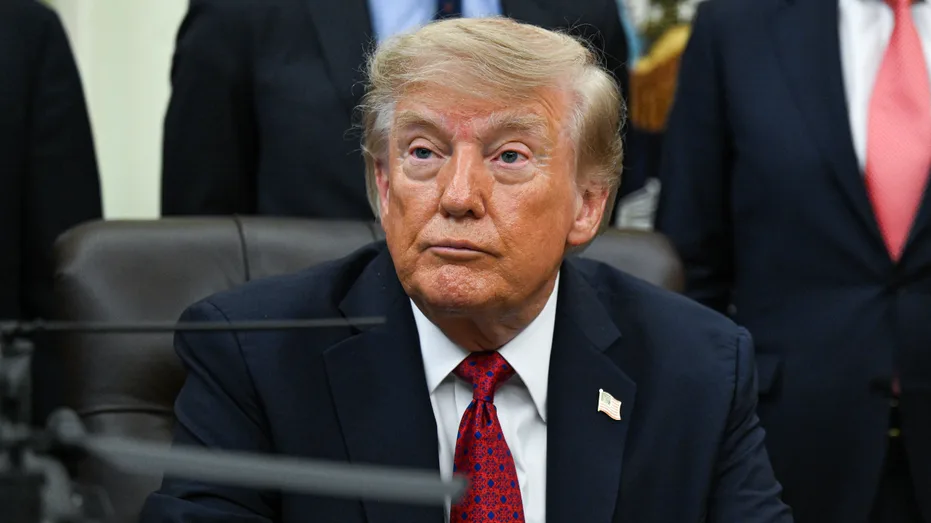
Former President Trump's Apparent Hair Color Change Ignites Online Discussion
Former President Donald Trump's hair appeared noticeably darker on Friday, sparking extensive online discussion. Photos showed him arriving in New Jersey with a brunette-like hue, leading to numerous social media
Sep 6
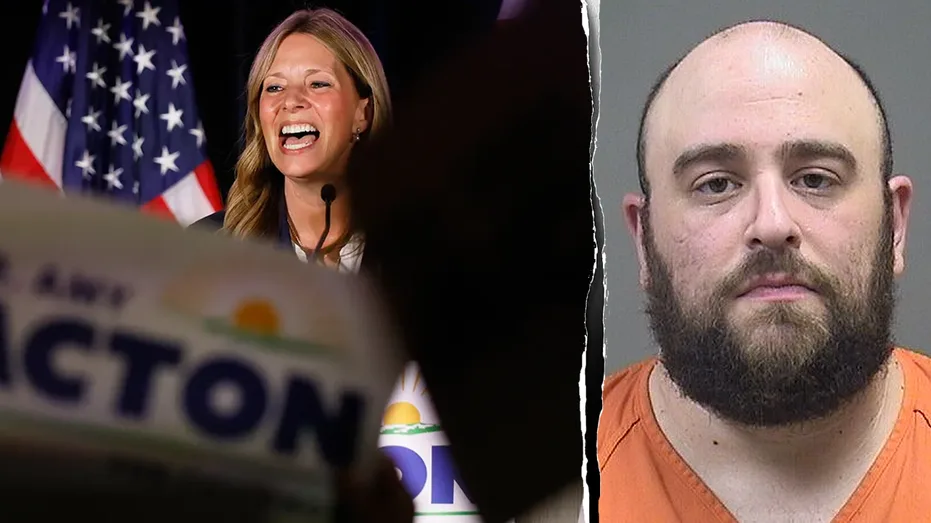
Armed Man Detained After Forcibly Approaching Ohio Gubernatorial Candidate Amy Acton at Fair
A man carrying a taser and two pistols was arrested at the Canfield Fair after allegedly assaulting multiple attendees while attempting to confront Ohio gubernatorial candidate Amy Acton. Acton was unharmed in the
Sep 6

Hasan Piker Defies Democratic Critics, Names Alexandria Ocasio-Cortez His 2028 Presidential Choice
Hasan Piker, a prominent progressive streamer, has rebuffed Democratic Party criticisms of his polarizing comments. He asserts his independence from party image, clarifies past statements, and announces his support for
Sep 6
House Democrats Prepare Extensive Investigations Into Trump Administration if They Secure Majority
House Democrats are poised to launch a series of investigations into former President Donald Trump, his family, and administration officials if they win a majority in the upcoming midterm elections. Key figures like
Sep 6