The Supreme Court recently issued a decision that could extend beyond merely granting the President new authority over certain federal officials; it may also initiate a more expansive reexamination of the modern administrative state, the vast array of federal bodies often referred to as the “deep state” by many conservatives.
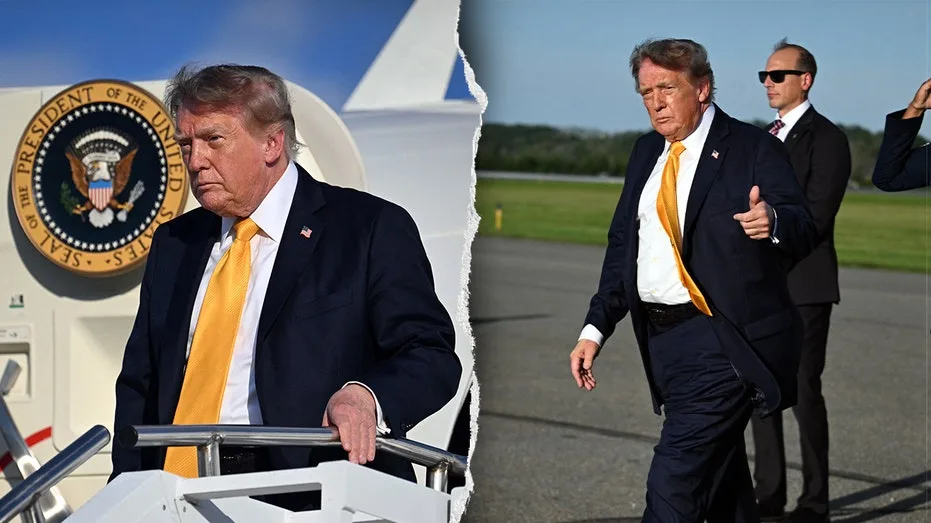
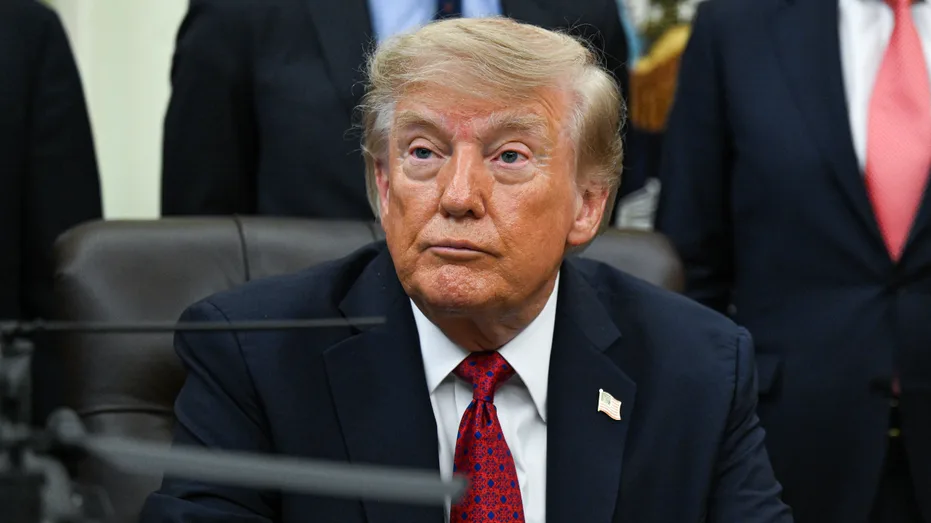
In a 6-3 ruling, the High Court determined that then-President Donald Trump possessed the lawful authority to remove Federal Trade Commission (FTC) Commissioner Rebecca Slaughter. This decision effectively overturned significant portions of the nearly 90-year-old *Humphrey's Executor* precedent, which had previously shielded officials in independent agencies from at-will dismissal.
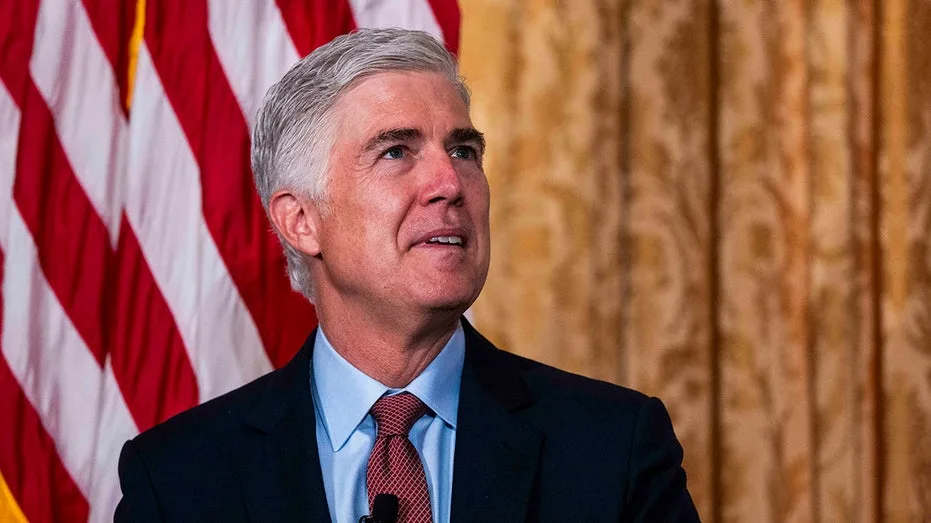
While Chief Justice John Roberts’ majority opinion posited that the leaders of the FTC must be accountable to the President because the agency exercises executive power, Justice Neil Gorsuch contended that the ruling brings to the forefront a more fundamental constitutional inquiry: whether Congress can continue to permit executive agencies to wield extensive legislative and judicial authorities.
“The fourth branch’s powers still exist; they have just been reassigned to the President,” Gorsuch wrote in a concurring opinion.
This observation by Gorsuch could potentially mark the next significant phase in the Supreme Court’s ongoing efforts to reshape the structure of the contemporary administrative state.
Reconsidering Agency Powers and Accountability
For many decades, independent agencies like the FTC, the Securities and Exchange Commission (SEC), the Federal Communications Commission (FCC), and the National Labor Relations Board (NLRB) have integrated multiple governmental functions within their operations. These bodies typically investigate alleged violations, formulate regulations that carry the force of law, and adjudicate enforcement actions through internal administrative processes.
With *Humphrey's Executor* now partially invalidated, these agencies remain operational, but their leadership is now subject to presidential control if they perform executive functions. Gorsuch’s concurrence specifically questioned whether Congress can continue to delegate broad legislative and judicial authority to agencies that are now explicitly under presidential oversight.
“The power to write new regulatory crimes still exists,” Gorsuch noted. “The ability to judge disputes in-house remains, but now the house is white.”
Carrie Severino, president of the Judicial Crisis Network, indicated that Justice Gorsuch’s concurring remarks point toward the subsequent stages of legal challenges.
“I think the next step in this type of litigation won’t be looking at firings per se, but really trying to make sure all of these administrative agencies actually fall into one of our constitutional buckets,” Severino explained. “Are they executive agencies or are they legislative or are they judicial? You can’t straddle all of this.”
She further elaborated that while the recent ruling reinstated presidential authority over executive agencies, it did not resolve the fundamental question of whether those same agencies can continue to exercise the quasi-legislative and quasi-judicial powers that Congress has delegated over many decades.
“There still remains to be more work going back and taking out of these agencies that now are properly under executive control the activities that really aren’t fundamentally executive in nature,” Severino added.
A Roadmap for Future Constitutional Challenges
Haley Proctor, a professor of constitutional law at Notre Dame Law School, similarly characterized Gorsuch’s opinion as a potential blueprint for future legal challenges to the administrative state.
“I do think what Justice Gorsuch is pointing out is that this is the first step toward rethinking the way in which the administrative state is empowered and structured,” Proctor stated.
Rather than merely expanding presidential authority, Proctor suggested that the concurrence raises the possibility that Congress may ultimately need to reclaim powers it has delegated to various agencies or reassign certain responsibilities back to Article III courts.
“If we’re concerned about the amount of power that the Federal Trade Commission has, then the next step would be to reconsider giving that power to the Federal Trade Commission because some of the decisions that it’s making could be made by Congress instead and some of the decisions that it’s making could be made by the courts,” she elaborated.
The majority opinion, however, did not address these broader constitutional questions. Instead, Chief Justice Roberts confined the Court’s holding to the scope of presidential removal authority, concluding that the FTC “unquestionably exercises executive power” and, consequently, its commissioners must remain accountable to the President. The Court deliberately refrained from deciding the extent to which Congress can grant executive agencies the power to formulate rules or resolve disputes, indicating that questions involving other agencies, such as the Federal Reserve, would be addressed in future cases.
Nevertheless, Justice Gorsuch’s concurrence strongly implied that subsequent cases could delve much deeper, arguing that the Constitution provides the necessary tools to dismantle significant portions of the modern administrative state. He highlighted several constitutional doctrines that could be employed to sharply curtail the authority of independent federal agencies and return lawmaking power to Congress and judicial authority to the courts.
“From here, the only sure path is to finish the journey we start today and restore legislative and judicial powers to where they belong: in Congress and the courts,” Gorsuch concluded.