The United States Men's National Team (USMNT) has advanced to the Round of 16 in the current World Cup, marking their first knockout stage victory at the tournament since 2002. By many metrics, the 2026 event has been a significant triumph, both for the U.S. as a host nation and for the progression of soccer within the country.
The USMNT has, at times, displayed a level of dominance rarely seen before. They have consistently controlled possession and dictated play, executing intricate through balls with elite international precision. With their starting lineup on the field, the team has outscored opponents by a margin of 8-1. A standout moment included Malik Tillman's exceptional free-kick goal, securing a 2-0 win over Bosnia & Herzegovina.
However, this promising trajectory now faces a challenge due to what many consider to be highly questionable and unfair officiating.
The Controversial Red Card Incident
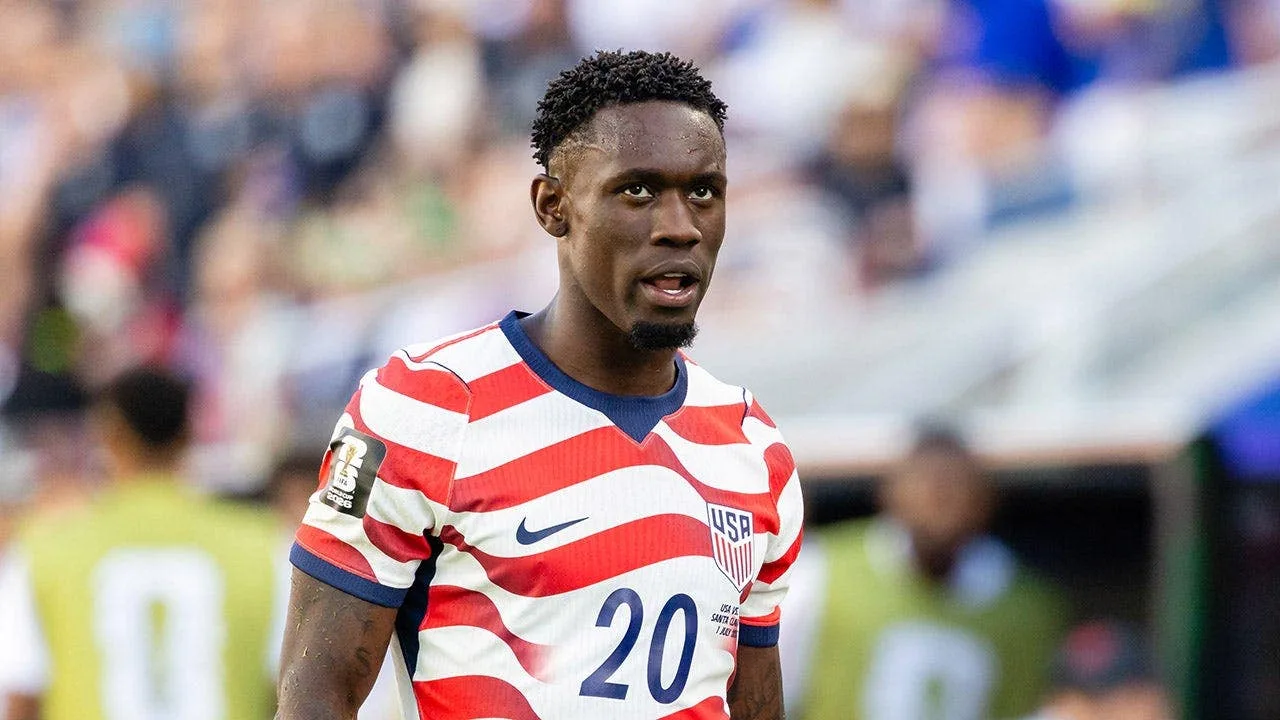
The red card issued to Folarin Balogun resulted from a series of decisions by match officials that have been widely criticized as egregious and inexplicable. Players, coaches, and supporters have voiced their concerns, highlighting how the perceived "laughable process" has eroded confidence in FIFA’s officiating standards.
A primary point of contention revolves around the initial decision to refer the play to the Video Assistant Referee (VAR). Andy Davies, a former Select Group referee with over 12 seasons of experience in the Premier League and Championship, provided an analysis for ESPN, asserting that the review should never have been initiated.
"VAR made their recommendation to the referee based on slow-motion and still replays, which is not aligned with VAR protocols, as these should be used for only point-of-contact purposes in a red card tackle situation," Davies stated.
Davies further clarified that while the tackle itself, according to the literal interpretation of the rules, was likely to result in a red card, the method by which the VAR review was recommended deviated from established protocols. The review, he explained, should not have been prompted solely by slow-motion replays.
Inconsistent Application and Perceived Double Standards
Crucially, numerous other similar incidents have occurred throughout the tournament without any VAR intervention or disciplinary action. This inconsistency has not gone unnoticed by the players themselves.
"Obviously the ref made a decision that he made, but I think it’s questionable," USMNT star Weston McKennie remarked after the match. "I think there’s been many other plays like that throughout the tournament on other players that a card wasn’t given at all. It’s disappointing."
One notable example involved Argentinian star Lionel Messi. During an early stage match against Algeria, Messi challenged for a loose ball, making contact with Aissa Mandi with his studs up. While a free kick was awarded to Algeria, no card was issued to Messi, and VAR did not initiate a review. Algeria subsequently lodged a formal complaint with FIFA regarding the officiating in that game.
Several other plays throughout the World Cup, seemingly comparable in nature, have also been overlooked by VAR. Compounding the situation, FIFA’s current regulations offer no formal mechanism for appealing Balogun’s suspension, which means he will miss the crucial Round of 16 fixture against Belgium on Monday.
The on-field referee, Raphael Claus, has faced scrutiny in the past, having been investigated for alleged match-fixing in Brazil. While there is no indication that this history influenced his decision in the current case, it is significant that Claus initially did not perceive any offense at full speed that warranted a card, let alone a red. It was only after the VAR official, reportedly using slow-motion replays improperly, recommended a second look that Balogun was sent off.
Fans of the USMNT are understandably incensed by this decision. Not only were the rules, according to an experienced referee expert, misapplied in the VAR process, but similar situations involving other players in the tournament have been treated differently. While the issue extends beyond one player, it is difficult to overlook the apparent double standard. Many observers suggest that VAR officials would be unlikely to recommend a red card review for the tournament's most celebrated player, yet they did so against Balogun and the USMNT.
Potential Impact on the USMNT's Tournament Journey
The USMNT may still manage to overcome Belgium in their upcoming Monday match, even in the absence of their key striker. Alternatively, they could face elimination without him. A victory would not, however, absolve the officiating staff of their questionable judgment and flawed process. A defeat, especially under these circumstances, could cast a lasting shadow over the 2026 World Cup and potentially hinder the sport's growth and appeal in the United States.
While the USMNT's chances of winning the entire tournament, with or without Balogun, remain remote, a loss stemming from such a dubious and farcical process – thereby denying the possibility of a high-profile quarterfinal clash against Spain or Portugal in Los Angeles – would be profoundly regrettable. For many, this incident underscores ongoing concerns about the transparency and consistency of international football governance.