A recent working paper published by the Federal Reserve Bank of Dallas has identified a correlation between the significant increase in unauthorized immigration experienced during the Biden administration and a rise in both home prices and rental costs across the nation.
This analysis emerges amidst ongoing political debate surrounding immigration. Republicans frequently assert that current border policies strain public resources and housing infrastructure, while Democrats often highlight immigration's role in mitigating labor shortages and fostering economic expansion.
The report, compiled using individual immigration court records and government administrative data, represents one of the initial comprehensive efforts to quantify the effects of the unprecedented wave of unauthorized migration between 2021 and 2024 on local economies and labor markets.
The authors have noted that this paper is a preliminary draft intended for professional review, and its conclusions do not necessarily reflect the official stance of the Federal Reserve Bank of Dallas or the broader Federal Reserve System.
Impact on Employment and Wages
Researchers found that the influx of unauthorized immigrants boosted local employment figures, showing minimal measurable impact on wage levels. However, this growth came with the trade-off of heightened housing demand, which subsequently drove up both home prices and rents.
Specifically, the study indicated that inflows of unauthorized workers increased local employment on an approximate one-for-one basis. This means that a 1% increase in unauthorized workers relative to a local area's workforce corresponded to roughly a 1% increase in overall employment. The research found no evidence that this immigration surge led to a reduction in average wages.
Rising Housing Costs
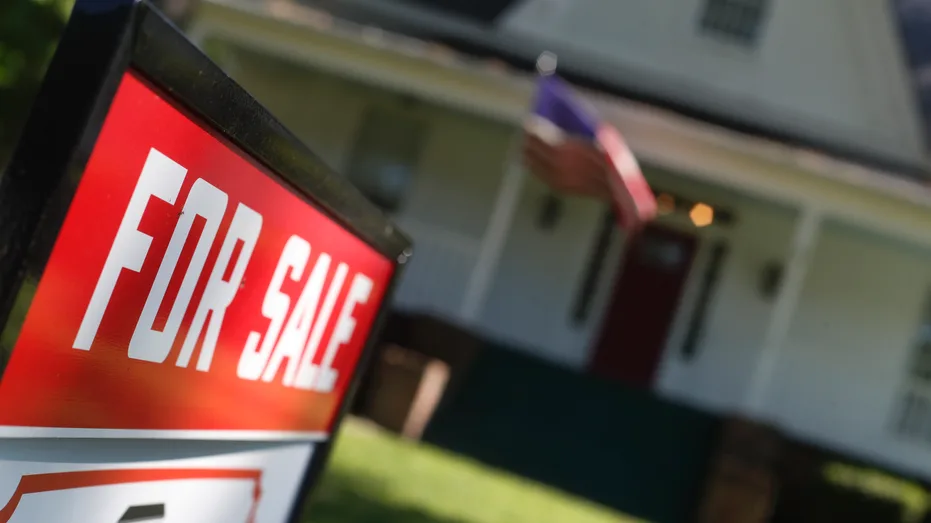
Despite the stability in wages, the same 1% increase in unauthorized worker flow correlated with an approximate 2.2% rise in local home prices and roughly a 1.4% increase in rental rates. The study found little evidence that new housing construction expanded sufficiently to absorb this heightened demand, suggesting American workers faced challenges keeping pace with soaring housing expenses.
This housing affordability crisis is a critical concern for many voters across the political spectrum and remains a key issue in national discussions.
Researchers concluded that the influx of unauthorized immigrant workers acted as a significant housing demand shock in markets where housing supply remained relatively constrained. The authors contend that the escalation in housing demand outpaced new homebuilding in numerous regions, intensifying price pressures in areas already struggling with limited housing availability.
Broader Economic Implications
Economists estimate that unauthorized immigrant worker flows contributed to approximately 30% of employment growth in the average local labor market between March 2021 and March 2024. During the same period, these inflows are also estimated to account for about 30% of home-price growth and roughly 20% of rent growth in the typical metropolitan area.
The findings suggest that the recent immigration surge had varied effects across different economic sectors, expanding the labor force without substantially affecting wages while simultaneously escalating demand in housing markets where supply struggled to keep pace. These estimates pertain to the average metropolitan area examined in the study and do not imply that immigration was the sole factor driving housing cost increases nationwide.
The paper characterizes the period between 2021 and 2024 as an