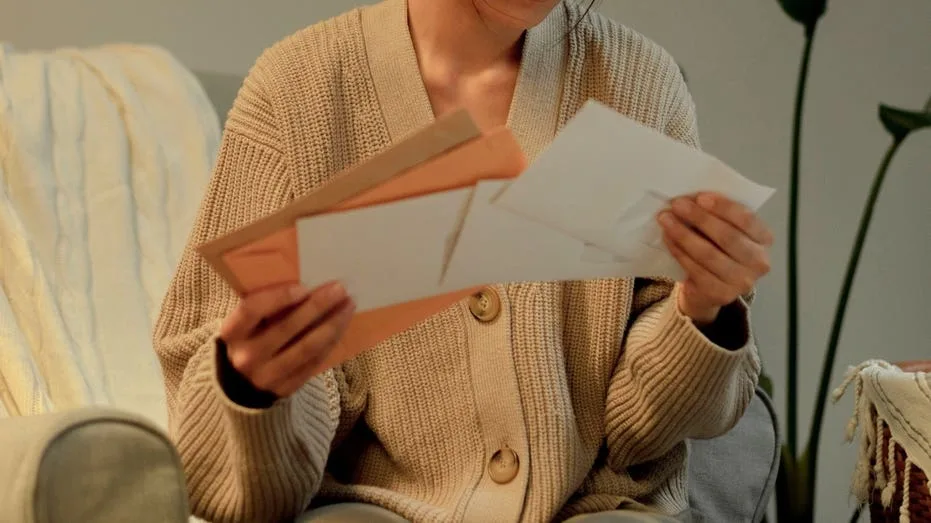
Imagine finding a plain white envelope in your mailbox, addressed to you, perhaps even with a tracking number. The sender's name is unfamiliar, but the delivery appears legitimate. Upon opening it, you discover it's completely empty—no note, no product, no explanation. This peculiar occurrence often sparks curiosity, a reaction that scammers are increasingly relying on.
Investigators and consumer protection organizations have issued warnings that such unsolicited empty envelopes or mystery packages can be linked to a deceptive practice known as 'brushing'. In a more concerning variation of this scam, the package might contain a QR code designed to redirect you to a fraudulent website or to illicitly obtain your personal details.
The primary danger lies in the actions scammers hope you will take next. If they can entice you to scan a QR code, click a suspicious link, dial a fake contact number, or input personal information, what initially seems like a harmless, strange delivery can escalate into a significant problem.
Understanding the Brushing Scam
The empty envelope phenomenon is frequently associated with brushing. This tactic involves a third-party seller sending a low-value item, or sometimes even just an empty envelope, to a genuine residential address. The purpose is to create the illusion that a legitimate order was placed and successfully delivered.
Once the package is marked as delivered, the unscrupulous seller exploits this delivery record to post a fabricated