Justice Department Challenges California, Virginia Gun Laws Following Supreme Court Second Amendment Affirmation
Federal authorities initiated legal action against two states, asserting that their recently implemented firearm regulations infringe upon constitutional protections for gun ownership.
Politics·
The Justice Department intensified its stance against state-level firearm restrictions on Wednesday, initiating lawsuits against California and Virginia. These legal actions come just one week after the Supreme Court, in its decision in Wolford v. Lopez, underscored that the Second Amendment is not a "second-class right."
Federal Lawsuits Challenge State Gun Control
The coordinated legal challenges target specific Democratic-backed firearm legislation in both states. In California, the department aims to block restrictions on the sale of new Glock-style semiautomatic pistols. In Virginia, the lawsuit contests a ban on the manufacturing, sale, transfer, and purchase of certain semiautomatic firearms classified as assault weapons.
California's Handgun Act Targeted
The California lawsuit was submitted mere hours after the state's new handgun restrictions took effect. This followed Attorney General Rob Bonta's refusal to engage in negotiations with the Justice Department over what federal officials deem unconstitutional limitations on gun rights. Assistant Attorney General for Civil Rights Harmeet Dhillon stated the administration's commitment to addressing alleged infringements of the Second Amendment.
"This lawsuit is yet another example of this Justice Department enforcing the Second Amendment by protecting citizens against unconstitutional state regulation of firearms," Dhillon said in a press release.
Attorney General Bonta had previously disclosed on Tuesday that California received a notice of intent to sue from the Justice Department, which argued the state's law violated the Second Amendment. In his written response, Bonta rejected the department's legal stance and declined to negotiate.
"The Unsafe Handgun Act and Penal Code section 27595 are commonsense handgun design safety laws that help to prevent accidental discharges by experienced and non-experienced firearm users as well as the conversion of semiautomatic pistols into deadly automatic firing weapons," Bonta wrote. "If the U.S. Department of Justice decides to file the lawsuit described in your letter, it will not be breaking any new ground."
Dhillon responded publicly to Bonta's position with a concise message: "See you in court." Shortly thereafter, the Justice Department formally announced its lawsuit against California, listing Dhillon and Deputy Assistant Attorney General Jesus Osete as legal counsel.
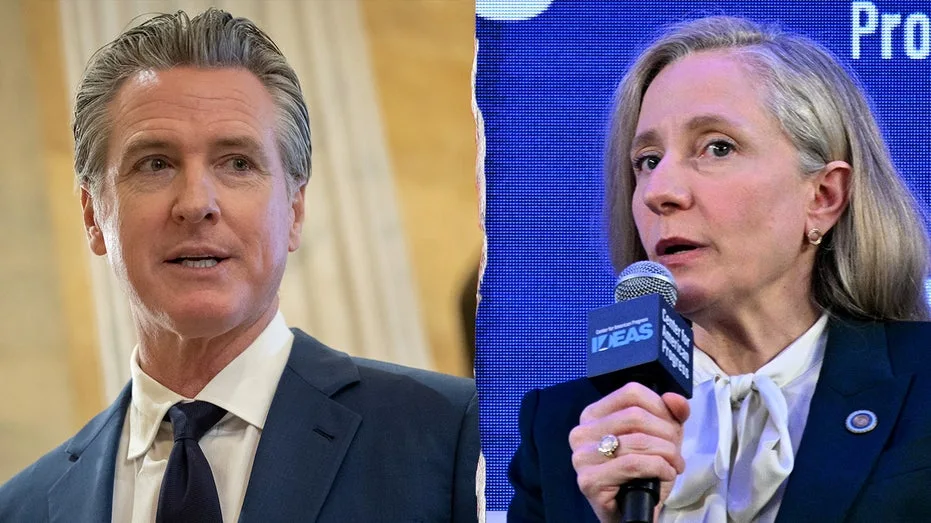
California Governor Gavin Newsom's office criticized the administration, suggesting an attempt to dismantle the state's gun safety legislation. "Our response is simple — these laws save lives," stated Newsom spokeswoman Diana Crofts-Pelayo. She added, "California has proven that strong, evidence-based gun safety measures can reduce gun violence while respecting the rights of responsible gun owners." Crofts-Pelayo affirmed that California would not be "intimidated" by what she characterized as politically motivated litigation and would continue to enforce laws designed to prevent dangerous weapons from reaching the streets. California boasts some of the most stringent firearm regulations nationwide, which state officials attribute to contributing to one of the country's lowest gun-related death rates.
Virginia's Assault Weapon Ban Faces Federal Challenge
The lawsuit against Virginia was filed soon after the California action, targeting a recently enacted prohibition on certain firearms described as assault weapons. This legal challenge specifically addresses Senate Bill 749, sponsored by state Sen. Saddam Salim, a Democrat representing Dunn Loring, which Governor Abigail Spanberger signed into law in May. The ban became effective on Wednesday, criminalizing the import, sale, manufacture, purchase, or transfer of specific semiautomatic firearms defined as assault weapons under state statute.
Acting Attorney General Todd Blanche emphasized that the Constitution "is not a suggestion" and that the Second Amendment should not be considered a "second-class right." Dhillon noted that she had warned Governor Spanberger in April that the Justice Department would pursue legal action if the legislation was signed, and confirmed on Wednesday that the administration was honoring that commitment.
A spokesperson for Governor Spanberger defended the legislation, stating that the governor "firmly believes that firearms designed to inflict maximum casualties do not belong in our communities, near our kids and schools, or on Virginia's streets." The spokesperson further remarked, "The Governor signed this commonsense legislation to save lives and protect law enforcement officers, kids, and families from gun violence — and the Governor remains committed to making the Commonwealth a safer home for every family."
Virginia House Minority Leader Terry Kilgore, a Republican from Gate City, expressed approval of the lawsuit, contending that the state is now expending taxpayer funds to defend "an unconstitutional gun ban against the United States itself." Kilgore added, "House Republicans said this law could not stand. A Virginia court has already blocked it, and now the Justice Department agrees. It should be repealed."
Gun Rights Groups React and Broader Implications
The National Association for Gun Rights also commended the department's actions. The organization stated, "Thank God a small number of committed individuals in DC realize we only have a few years of opportunity to make moves like this, and they're seizing it." Hannah Hill, executive director of the National Foundation for Gun Rights, commented that the Supreme Court's ruling in Wolford v. Lopez, which she believes strengthened Second Amendment protections, provided the Justice Department with additional legal backing for its recent lawsuits against California and Virginia. These lawsuits were initiated on the same day the Supreme Court agreed to review two additional Second Amendment cases next term, which challenge state and local prohibitions on certain semiautomatic rifles.
Related Stories
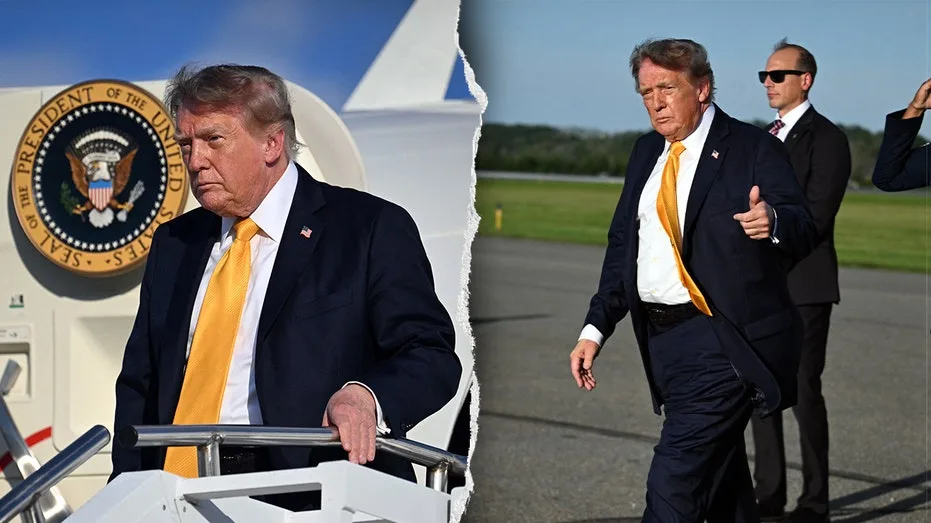
Former President Trump's Apparent Hair Color Change Ignites Online Discussion
Former President Donald Trump's hair appeared noticeably darker on Friday, sparking extensive online discussion. Photos showed him arriving in New Jersey with a brunette-like hue, leading to numerous social media
Sep 6
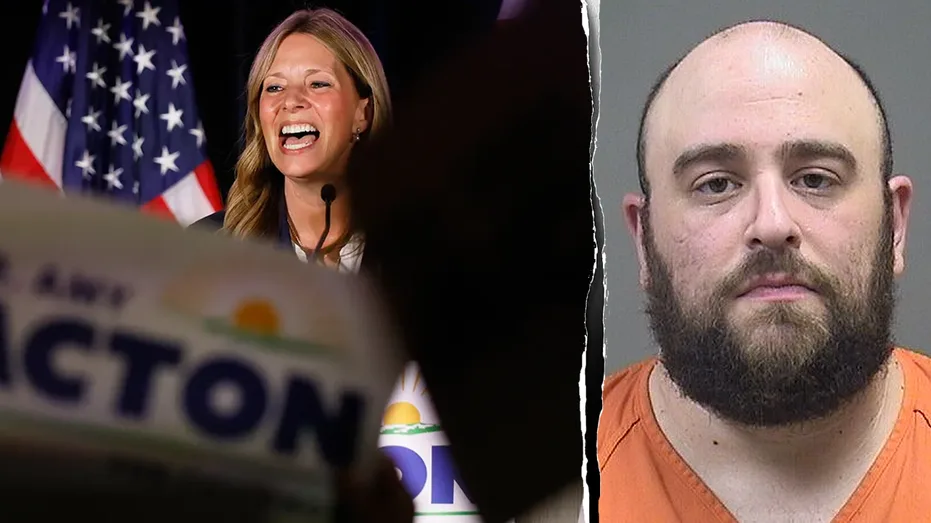
Armed Man Detained After Forcibly Approaching Ohio Gubernatorial Candidate Amy Acton at Fair
A man carrying a taser and two pistols was arrested at the Canfield Fair after allegedly assaulting multiple attendees while attempting to confront Ohio gubernatorial candidate Amy Acton. Acton was unharmed in the
Sep 6
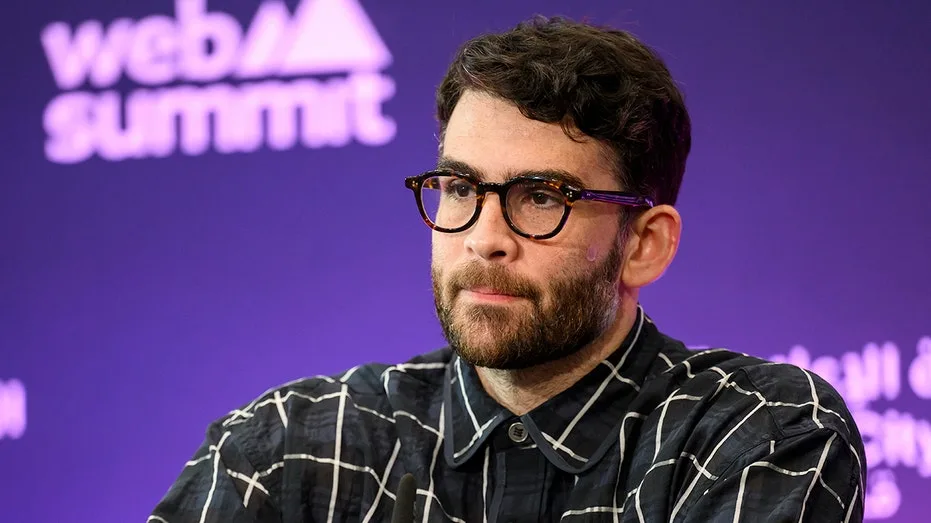
Hasan Piker Defies Democratic Critics, Names Alexandria Ocasio-Cortez His 2028 Presidential Choice
Hasan Piker, a prominent progressive streamer, has rebuffed Democratic Party criticisms of his polarizing comments. He asserts his independence from party image, clarifies past statements, and announces his support for
Sep 6
House Democrats Prepare Extensive Investigations Into Trump Administration if They Secure Majority
House Democrats are poised to launch a series of investigations into former President Donald Trump, his family, and administration officials if they win a majority in the upcoming midterm elections. Key figures like
Sep 6