An escalating ideological conflict within the Democratic Party is shifting its focus from securely Democratic congressional districts to critical statewide races across Michigan, Wisconsin, and Minnesota. Victories by progressive candidates in these contests could fundamentally alter the party's direction and imperil essential seats in the November general election.
Following recent successes where far-left and socialist contenders triumphed over more moderate opponents in heavily Democratic districts, upcoming Senate primaries in Michigan and Minnesota, alongside Wisconsin’s gubernatorial primary, will serve as crucial tests for whether this movement can translate its localized strength into broader statewide power.
The Rise of the Progressive Wing
Senator Bernie Sanders, an independent from Vermont and a prominent progressive voice, highlighted the movement's recent achievements on the campaign trail. He noted, "Within the last year, we have won mayor's races in New York City. We've won mayor's races in Seattle. Washington, D.C. We have won congressional elections and Democratic primaries in Arizona, Ohio, Pennsylvania, California, Montana, Colorado, New Jersey and New York."
Significant national attention was drawn to recent victories by a trio of far-left congressional candidates in New York City, and the subsequent defeat of 15-term Democratic Representative Diana DeGette in Colorado by Democratic Socialists of America (DSA)-backed newcomer Melat Kiros. These outcomes have emboldened progressives as they intensify a nationwide campaign to exert influence over the Democratic Party's platform.
Celebrating their primary election successes, the DSA declared in a social media post, "Only socialism can solve decades of capitalist mismanagement in the US. Our newly elected leaders will fight for the working class — not for crumbs."
Moderate Pushback and Concerns
However, this perspective is not universally embraced within the party. Democratic political analyst Van Jones, who served in then-President Barack Obama's administration, expressed his exasperation on social media, stating, "I'm tired of being told that, to be a progressive, I now must swear allegiance to crazy ideas." Jones elaborated on his concerns, asserting, "Supporting Hamas is not progressive. ‘No police, no prisons, no borders’ is not progressive. Celebrating the murder of Israeli civilians is not progressive. These ideas are REGRESSIVE."
One political analyst suggested that groups like the DSA and other far-left organizations, by "trying to take control of our party and our brand," pose "a fundamental threat to our party and our country."
Michigan's Pivotal Senate Primary
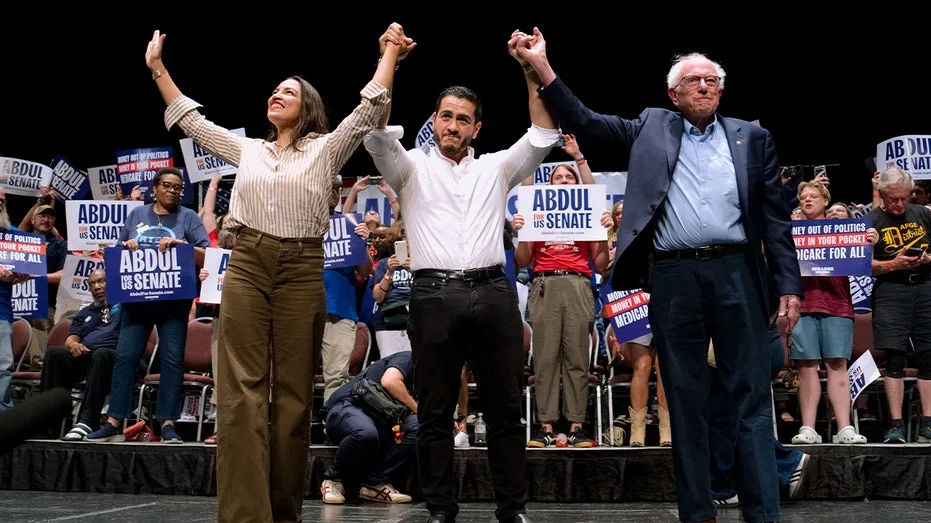
The ideological divide is particularly evident in Michigan's Democratic Senate primary. Senator Sanders and Representative Alexandria Ocasio-Cortez, another influential progressive figure, recently visited the state to support Abdul El-Sayed, a far-left candidate. El-Sayed, a former Wayne County Health Department director who previously mounted an unsuccessful gubernatorial campaign in 2018, is vying for the party's nomination.
He faces Representative Haley Stevens, a more moderate legislator who has garnered support from long-serving Senate Democratic Leader Senator Chuck Schumer and the party establishment. The victor of the August 4 Democratic primary will advance to challenge former Republican Representative Mike Rogers, who is currently favored for the GOP nomination, in a critical midterm Senate contest.
This open Senate seat, vacated by the retiring Democratic Senator Gary Peters, is a prime target for Republicans in the midterms and a crucial hold for Democrats aiming to regain the Senate majority, which the GOP currently controls with a narrow 53-47 margin.
El-Sayed's campaign platform includes strong advocacy for Medicare for All. If elected, he would make history as the nation's first Muslim senator. He has also called for the abolition of Immigration and Customs Enforcement (ICE) and has been an outspoken critic of Israel's actions in Gaza amidst its conflict with Hamas, characterizing them as "genocide" against Palestinians. El-Sayed, who was a key surrogate for Sanders' 2020 presidential campaign, has also pledged to reject Political Action Committee (PAC) donations.
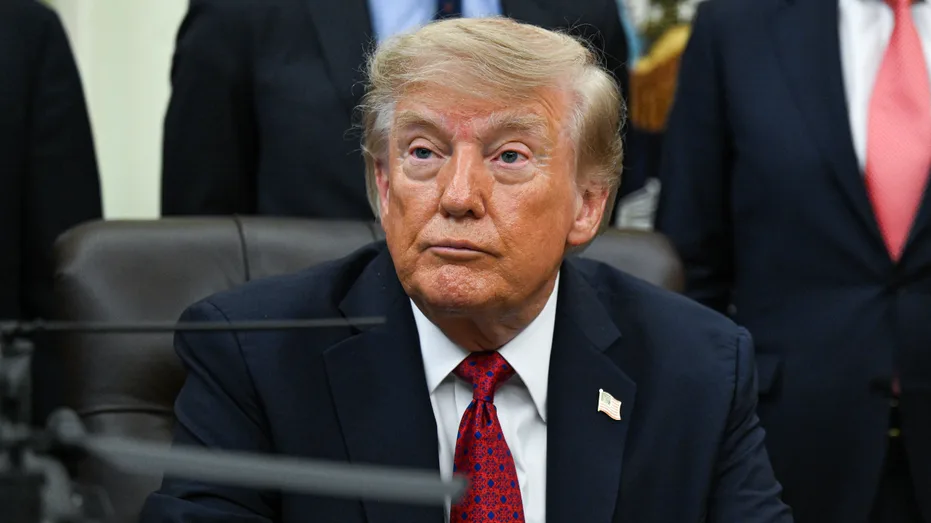
The party establishment, including Senator Schumer, views Stevens as a more viable candidate than El-Sayed, whose past statements have generated controversy. They are concerned that El-Sayed as the nominee could jeopardize the Democratic-held Senate seat by pushing the party too far left in a state that former President Donald Trump won by just over one percentage point two years ago.
This primary battle is proving to be both intense and costly, with significant spending from outside groups flooding the campaign with advertisements. The largest expenditures, aimed at bolstering Stevens and criticizing El-Sayed, are coming from the United Democracy Project, a PAC associated with the American Israel Public Affairs Committee (AIPAC).
During a rally on Saturday, Senator Sanders, standing alongside El-Sayed and Ocasio-Cortez, asserted, "In all due respect to Haley Stevens, everyone knows that this is not an election between her and Abdul El-Sayed. This is an election between Abdul and the billionaire class."
However, Senator John Fetterman criticized Sanders' endorsement, stating, "You know, humble yourself, Bernie. You know, you just pushed an accused rapist and imploded up in Maine and now you’re pushing, you know, essentially a pro-Hamas candidate that’s been anti-American and deeply anti-Israel." Fetterman's remarks referenced Sanders' earlier support for Graham Platner, who withdrew from Maine's Democratic Senate primary amid allegations of rape, which Platner denied.
Other Contested Statewide Races
One week after Michigan's primary, on August 11, Wisconsin will hold its own primary elections. In the race to succeed retiring Democratic Governor Tony Evers, DSA-backed state Representative Francesca Hong is gaining traction among a crowded field of contenders.
Hong celebrated the recent progressive victories in New York City, where two Democratic congressional incumbents lost renomination, by posting on X last month, "It’s a great day to be a democratic socialist," adding, "Wisconsin is next!"
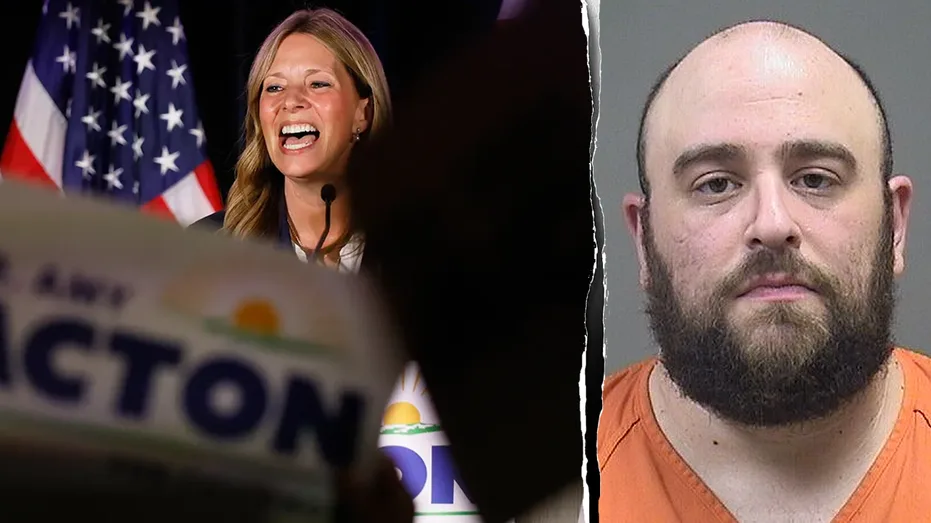
On the same day, Minnesota will host another statewide contest where progressive Lieutenant Governor Peggy Flanagan and more moderate Democratic Representative Angie Craig are leading candidates in the Democratic primary to succeed retiring Senator Tina Smith, also a Democrat.
While these upcoming primary battles will undoubtedly influence the future trajectory of the Democratic Party, they also carry immediate implications for the crucial midterm fight for congressional majorities this year.